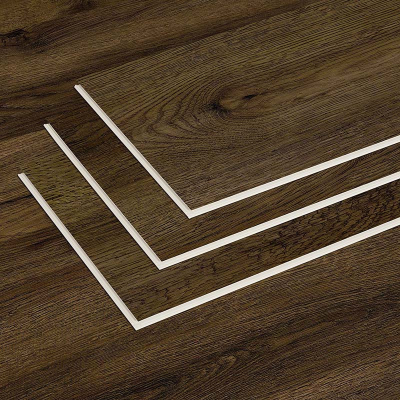
Flooring Quality Inspection Before Shipment
What Is Flooring Quality Inspection Before Shipment
From an engineering quality assurance and international procurement perspective, flooring quality inspection before shipment is defined as a systematic, documented examination of finished flooring products at the factory prior to container loading. The inspection verifies that the products meet contracted specifications—including quantity, quality, appearance, packaging, labeling, and palletization—according to international standards. This final quality checkpoint is the critical threshold where manufacturing defects, specification deviations, and packaging errors are identified and corrected before the goods leave the factory, avoiding the exponentially higher costs of remediation at the destination port or job site.
Pre-shipment inspection (PSI) serves as the final gate in the manufacturing quality control process. It typically follows raw material inspections and mid-production reviews, providing a comprehensive verification that the finished goods are ready for shipment. For international flooring procurement, PSI is particularly critical because products may travel thousands of miles and pass through multiple logistics stages before reaching the installation site. Any quality issue discovered after shipment becomes significantly more expensive to resolve, involving return logistics, customs clearance, and project delays.
The essential distinction from on-site acceptance inspection is the location and timing. Pre-shipment inspection occurs at the factory, using master samples and standardized test methods to verify product conformance before payment and shipping. On-site inspection occurs after delivery, verifying that the product received matches the order and is suitable for installation. Both are important, but pre-shipment inspection provides leverage to reject non-conforming products at the source.
Manufacturing Process and Quality Control Points
The production methods for flooring materials determine critical quality control points that must be verified during pre-shipment inspection. Understanding manufacturing processes allows inspectors to focus on areas where defects are most likely to occur.
Raw Material Verification
Raw material quality directly impacts finished product performance. Pre-shipment inspection may include verification that the materials used in production match the specified formulations. For SPC flooring, this includes limestone powder quality, PVC resin grade, and plasticizer type. For laminate, this includes HDF core density and melamine resin quality. IFL inspectors conduct raw material checks including wood veneer grading, SPC powder mixing formulas, and decorative paper design and color verification before production begins.
Production Mid-Stage Inspection
Mid-production inspections occur during manufacturing to identify issues before the product is completed. These inspections check that the production process is operating within specifications and that any emerging issues can be corrected before large quantities are affected. IFL describes this as examining "critical ingredients" before they enter the production line to "avoid costly rework or delays."
Pre-Shipment Inspection Protocol
Pre-shipment inspection is the final checkpoint before container loading. For each batch or container load, sample boxes are randomly selected according to AQL standards and opened to have the flooring content assembled on designated inspection tables under controlled lighting and compared against approved master samples. IFL's certified inspectors in China and Southeast Asia conduct these daily on-site inspections, reporting results promptly and assisting in resolving discrepancies at the factory.
Technical Specifications for Flooring Quality Inspection
AQL Sampling Standards
AQL (Acceptable Quality Limit) is the statistical sampling method used in pre-shipment inspections. Random samples are selected from each batch to determine whether the entire batch meets the specified quality standards. The inspection result determines whether the batch is accepted, rejected, or requires rework. AQL sampling is a standardized method that provides a statistically valid assessment of batch quality without requiring 100% inspection, which would be impractical for large orders.
Color Verification
Color accuracy is a critical aspect of flooring quality. Inspectors compare product colors against master samples using standardized lighting conditions. IFL inspectors are FM HUE certified, a globally recognized qualification demonstrating their ability to perceive and distinguish subtle color variations. This ensures color inspections are "accurate and consistent," which is particularly important for floor covering products where color matching across cartons is essential for installation appearance.
Dimensional and Functional Testing
Pre-shipment inspections include measurement of product dimensions, thickness verification, and functional testing of locking systems. A typical flooring factory inspection includes: product workmanship, color, specifications, function, barcode checks, logo/printing tape tests, basic function verification, loading tests, smell tests, color shade assessment, assembly tests, and humidity tests. Packaging is also inspected to ensure it meets customer requirements and is suitable for product transportation.
Advantages in Real Projects
Cost Avoidance
The primary advantage of pre-shipment inspection is cost avoidance. Identifying defects at the factory allows for correction before the products are shipped. The cost of correcting a defect at the factory is typically a fraction of the cost of correcting it after arrival at the destination port. IFL notes that inspections "help identify potential issues, such as production errors or manufacturing flaws, allowing them to be addressed at the factory before shipment — avoiding the much more costly option of corrections at destination."
Documentation and Traceability
Pre-shipment inspections provide documented evidence of product quality at the time of shipment. This documentation is critical for warranty claims, dispute resolution, and regulatory compliance. Inspection reports typically include original photos, videos, and testing data, providing a comprehensive record of the inspection findings. Reports are typically provided within 24 hours of inspection completion.
Supplier Accountability
Pre-shipment inspection creates supplier accountability by verifying that products meet specifications before payment is released. In many procurement arrangements, the inspection result is a condition for payment. The inspection report can be used to require rework, reject non-conforming products, or negotiate price adjustments.
Flooring Quality Inspection Before Shipment vs Other Inspection Types
Pre-Shipment vs On-Site Acceptance Inspection
| Parameter | Pre-Shipment | On-Site Acceptance |
|---|---|---|
| Location | Factory | Job site |
| Timing | Before shipment | After delivery |
| Leverage | High (reject at source) | Limited (after payment) |
| Cost of correction | Low | High |
| Documentation | Inspection report | Acceptance report |
Pre-Shipment vs Mid-Production Inspection
| Parameter | Pre-Shipment | Mid-Production |
|---|---|---|
| Purpose | Final verification | Process control |
| Timing | Before container loading | During production |
| Scope | Finished products | Production process |
| Action | Accept/reject | Correct process |
Pre-Shipment vs Raw Material Inspection
| Parameter | Pre-Shipment | Raw Material |
|---|---|---|
| Purpose | Verify finished product | Verify inputs |
| Timing | After production | Before production |
| Scope | Final goods | Raw materials |
| Action | Accept/reject shipment | Accept/reject materials |
Application Scenarios
First-Time Supplier Order
Selection: Comprehensive pre-shipment inspection for first-time supplier orders. Rationale: First-time supplier relationships have unproven quality performance. Full inspection provides verification of product quality before payment and shipment.
High-Value Order
Selection: Pre-shipment inspection for high-value orders (>USD 50,000). Rationale: High-value orders represent significant financial exposure. Inspection reduces the risk of receiving non-conforming products.
Established Supplier Repeat Order
Selection: Reduced inspection frequency for established suppliers with consistent quality. Rationale: Suppliers with proven quality performance may require less frequent or reduced scope inspections. Risk-based inspection frequency can reduce costs while maintaining quality assurance.
Critical Project Timeline
Selection: Expedited inspection with container loading supervision. Rationale: Projects with tight timelines require efficient inspection and loading to avoid delays. Container loading supervision ensures proper loading to prevent damage during transit.
Installation Guide for Quality Inspection
Step 1: Inspection Planning
Determine the scope of inspection based on order value, supplier relationship, and product type. Define AQL sampling levels and acceptance criteria. Schedule inspection to coincide with production completion and before container loading.
Step 2: Sample Selection
Randomly select sample boxes according to AQL standards. The sample size should be statistically representative of the batch. Samples should be selected from across the production run to capture potential variation.
Step 3: Product Testing
Assemble sample planks on an inspection table under controlled lighting. Compare against master samples for color, texture, and pattern. Measure dimensions, thickness, and other specified parameters. Perform functional testing of locking systems.
Step 4: Packaging and Labeling Inspection
Verify that cartons, labels, and pallets meet specifications. Check labeling for product codes, batch numbers, quantities, and handling instructions. Verify that packaging is suitable for the shipping method and destination.
Step 5: Container Loading Supervision
Inspect the container for cleanliness, dryness, and structural integrity. Verify that products are loaded securely to prevent movement and damage during transit. Confirm that the container is sealed with a tamper-evident seal.
Common Inspection Mistakes
Inadequate sample size leads to statistical invalid conclusions. Insufficient lighting causes color judgment errors. Failure to verify master samples leads to acceptance of incorrect products. Ignoring packaging and labeling issues causes problems at the destination port.
Common Problems & Solutions
Color Variation
The challenge: Product color does not match the approved master sample. The solution is verifying master samples under standardized lighting conditions before inspection. IFL inspectors are FM HUE certified to ensure accurate color perception. Color mismatches should be resolved at the factory before shipment.
Dimensional Variation
The challenge: Product dimensions exceed specified tolerances. The solution is measuring dimensions at multiple points across the sample. Rejecting out-of-tolerance products prevents installation issues at the job site.
Functional Failure
The challenge: Locking systems do not engage properly. The solution is performing assembly tests on sample planks. Failed assembly indicates manufacturing issues that should be corrected before shipment.
Packaging Damage
The challenge: Damaged packaging compromises product protection. The solution is inspecting packaging for damage and verifying suitability for shipping. Replacing damaged packaging prevents transit damage.
FAQ
What is flooring quality inspection before shipment?
Flooring quality inspection before shipment is a systematic, documented examination of finished flooring products at the factory prior to container loading. It verifies that products meet contracted specifications—including quantity, quality, appearance, packaging, labeling, and palletization—according to international standards. It is the final quality checkpoint before goods leave the factory.
Why is pre-shipment inspection important for flooring imports?
Pre-shipment inspection identifies defects at the factory before products are shipped, avoiding the much higher cost of remediation at the destination port or job site. It also provides documented evidence of product quality for warranty claims and dispute resolution. Inspections help identify issues like production errors or manufacturing flaws before they become expensive problems.
What does a flooring pre-shipment inspection include?
A flooring pre-shipment inspection includes visual inspection for surface defects, color verification against master samples, dimensional measurements, functional testing of locking systems, packaging and labeling verification, and container loading supervision. Sample boxes are randomly selected according to AQL standards and assembled on inspection tables under controlled lighting.
How are samples selected for pre-shipment inspection?
Samples are randomly selected according to AQL (Acceptable Quality Limit) standards. The sample size is statistically representative of the batch. Samples should be selected from across the production run to capture potential variation. AQL sampling provides a valid assessment of batch quality without requiring 100% inspection.
Who conducts flooring pre-shipment inspections?
Pre-shipment inspections are conducted by certified inspectors employed by independent inspection companies or third-party quality assurance firms. International Flooring Labs (IFL) maintains a network of certified inspectors throughout China and Southeast Asia who conduct daily on-site inspections. Inspectors may be certified in color perception (FM HUE certified) and other specialized skills.
What is AQL sampling in flooring inspection?
AQL (Acceptable Quality Limit) is a statistical sampling method used to determine whether a batch of products meets quality standards. Random samples are selected from the batch and inspected. The results determine whether the batch is accepted, rejected, or requires rework. AQL sampling is standardized and provides statistically valid results.
What happens if products fail pre-shipment inspection?
If products fail pre-shipment inspection, the buyer can require rework, reject the products, or negotiate price adjustments. The inspection report provides documented evidence of non-conformance. In some procurement arrangements, the inspection result is a condition for payment. The seller bears the cost of correcting defects before resubmission for inspection.
How long does a pre-shipment inspection take?
A pre-shipment inspection typically takes one to two days depending on order size and product complexity. Inspection reports are typically provided within 24 hours of inspection completion. Container loading supervision occurs concurrently with or immediately following the product inspection.
Industry Standards and Certifications
AQL Sampling Standards
AQL (Acceptable Quality Limit) is the standardized statistical sampling method used in pre-shipment inspections. The specific AQL level is typically agreed between buyer and supplier based on the product type and quality requirements. AQL sampling provides a statistically valid assessment of batch quality.
Color Perception Certification
FM HUE certification is a globally recognized qualification for color perception and differentiation. Inspectors with FM HUE certification have demonstrated ability to perceive subtle color variations, ensuring accurate and consistent color inspections. IFL inspectors are FM HUE certified.
Inspection Service Standards
Pre-shipment inspection services typically include raw material checks, mid-production reviews, pre-shipment inspections, and container loading supervision. Inspectors follow standardized protocols for product evaluation, sample selection, and reporting. Reports include original photos, videos, and testing data.
What These Standards Mean for Procurement
AQL sampling ensures statistically valid quality assessment. FM HUE certification ensures accurate color inspection. Standardized inspection protocols ensure consistency across suppliers and inspectors. For procurement, require AQL sampling, FM HUE certified color inspection, and comprehensive inspection reporting.
Conclusion
The selection of flooring quality inspection before shipment is determined by three engineering criteria: order value and risk exposure, supplier relationship status, and project criticality. Pre-shipment inspection provides the highest quality assurance and cost avoidance benefits for first-time supplier relationships and high-value orders.
Pre-shipment inspection with AQL sampling, color verification, and functional testing is recommended for all international flooring procurement where quality risk is significant. Container loading supervision provides additional protection against shipping damage. Inspection reports provide documented evidence for warranty claims and dispute resolution.
The risk priority order for pre-shipment inspection includes color variation, dimensional deviations, functional failures, and packaging issues. Cost versus performance trade-off favors comprehensive inspection for high-value orders and new supplier relationships; reduced inspection for established suppliers with proven quality.
For international flooring procurement requiring quality assurance and risk mitigation, pre-shipment inspection with standardized protocols, certified inspectors, and comprehensive reporting provides the optimal balance of quality verification and project value.