What Is EIR SPC Flooring? Texture, Benefits and Buying Guide
What Is EIR SPC Flooring?
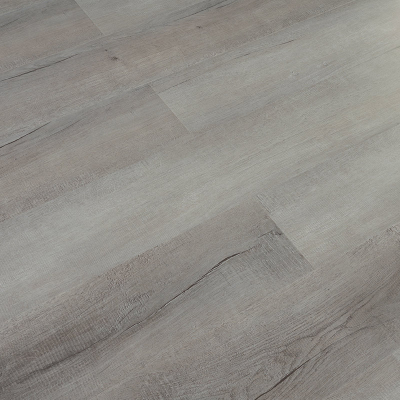
EIR stands for Embossed in Register. In EIR SPC flooring, the embossed texture pressed into the wear layer is aligned with the printed decorative film beneath it, so that the grain, knots and grooves visible in the print correspond to the texture felt underfoot. The purpose of EIR is to bring the visual pattern and the surface texture into register. It is a decorative surface technology, and its value lies in the consistency between print and texture rather than in any mechanical property.
EIR vs Standard Embossed SPC Flooring
The table below is limited to the checks that matter when comparing EIR with standard embossing at the buying stage. The detailed technical comparison of how the two surfaces are produced and how they differ in appearance is covered on the dedicated comparison page.
| Comparison item | Standard embossed | EIR |
|---|---|---|
| What buyers should inspect | Texture and surface quality | Alignment consistency, pattern repeat, surface quality |
| Alignment of print and texture | Not necessarily aligned | Alignment is the design objective |
| Wear and slip resistance | Determined by product structure and test results | Cannot be judged from EIR alone; confirm against test reports |
| Sample acceptance | Check texture and surface finish | Check alignment across planks and under different light angles |
Does EIR Improve Durability or Slip Resistance?
EIR mainly improves how closely the surface texture matches the printed pattern. It does not by itself increase wear resistance, slip resistance, scratch resistance or water resistance. Any claim about those properties must come from the test reports and specification sheet for the specific SKU. A textured surface can affect how light reflects off the floor and how minor surface marks appear under different viewing angles, but that is a visual effect and not a measure of wear performance. Likewise, the SPC core is water-resistant, but the core alone does not make the whole floor system waterproof; joints, wall edges, subfloor condition and installation method all affect performance in wet areas. Buyers should request the relevant test documents before specifying a product for commercial or moisture-prone areas.
How to Evaluate EIR Surface Quality
Practical checks when inspecting samples or a production batch:
Compare the printed wood grain with the felt texture point by point across the plank, checking that the two correspond.
Lay several planks side by side and check alignment consistency from plank to plank.
Check whether the pattern repeat is obvious when several planks are laid together.
View the surface under different light angles to see how the texture and the surface reflection interact.
Inspect the edges and the click profile for damage that could affect installation.
Separately confirm the wear layer specification, locking quality and the test documents held for the product; these are not established by the EIR check itself.
EIR SPC Flooring for Different Projects
Residential projects: EIR surfaces are chosen where a more natural wood or stone appearance is wanted, subject to the wear layer and installation requirements matching the room. Hotel guest rooms and boutique offices: the surface texture and visual depth are the main reasons to select EIR, while cleaning routine and maintenance planning should be confirmed against the surface structure and the maintenance instructions. Retail and other commercial spaces: suitability depends on the wear layer, test data and warranty terms for the specific SKU and on the expected traffic level; EIR should not be read as a guarantee of performance in high-traffic or moisture-prone commercial areas. Across all project types, budget, cleaning routine and traffic level should be assessed alongside the surface effect rather than replaced by it.
EIR SPC Flooring Specifications Buyers Should Check
The table below is limited to the parameters that relate directly to the EIR surface and to the checks a buyer should raise before ordering. General SPC parameters such as total thickness, core composition, locking system and packaging are covered on the relevant SPC product pages; values in this table are verified against the specification sheet and test reports for the SKU.
| EIR-related parameter | Information to be confirmed |
|---|---|
| Surface treatment | UV coating and EIR texture options actually offered |
| Texture pattern | Wood-grain or stone-look designs available |
| Pattern repeat | Whether the repeat is stated for the design, and how obvious it is on laid planks |
| Alignment consistency | How alignment between print and texture is checked across planks |
| Wear layer | Available wear layer thicknesses per SKU (pending confirmation) |
| Test documents | Test reports held for the product, and which standards they cover |
| Warranty | Warranty scope and duration for the specific SKU |
| Ordering | MOQ, sample availability, lead time and customization conditions for EIR designs |
Frequently Asked Questions
1. What is EIR SPC flooring?
EIR means Embossed in Register. The embossed texture in the wear layer is aligned with the printed decorative film, so the grain and knots seen in the print match the texture felt underfoot. It is a decorative surface technology; performance properties are determined by the wear layer, core, surface treatment and test results for the specific product.
2. What is the difference between EIR and standard embossed SPC flooring?
In standard embossing, the texture and the printed pattern are not necessarily aligned. In EIR, alignment is the design objective, so the texture follows the printed wood grain more closely. Visual realism still depends on the specific product, and wear or slip resistance cannot be judged from the embossing method alone.
3. Does EIR make SPC flooring more wear-resistant?
No. Wear resistance depends on the wear layer, surface treatment and test results for the product. EIR affects how the surface texture matches the print and how light reflects off the surface; it is not a measure of wear performance. Buyers should confirm the wear layer specification and test reports for the SKU.
4. Is EIR SPC flooring harder to clean than smooth flooring?
Cleaning ease depends on the actual surface structure and the maintenance instructions for the product. EIR textures are micro-textured and sealed within the wear layer, but buyers should confirm the recommended cleaning method with the supplier and check a sample before specifying the product for a project with a demanding cleaning routine.
5. How can I check the texture alignment quality of an EIR product?
Compare the printed grain with the felt texture point by point, lay several planks side by side to check alignment consistency, look for obvious pattern repeat, and view the surface under different light angles. Separately confirm the wear layer, locking quality and test documents, since alignment quality does not establish those properties.