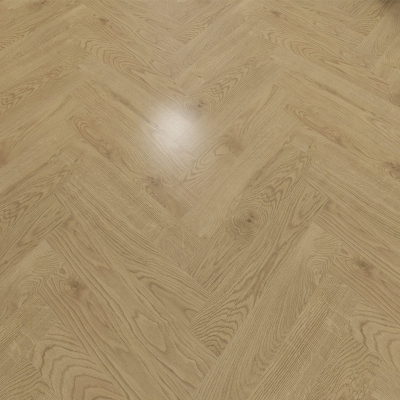
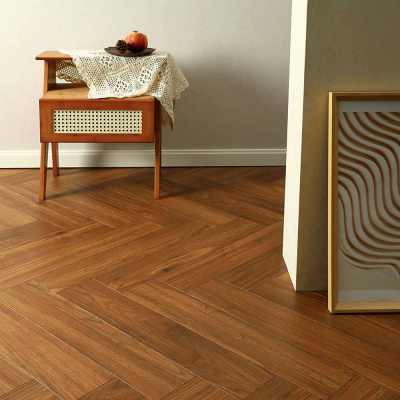
SPC flooring for Vietnam industrial parks
What Is SPC Flooring for Vietnam Industrial Parks
SPC (Stone Plastic Composite) flooring for Vietnam industrial parks refers to rigid core vinyl flooring systems specifically engineered for the demanding environments of manufacturing facilities, logistics centres, and supporting infrastructure within Vietnam's rapidly expanding industrial zones. SPC flooring is a multi-layer composite product consisting of a limestone-based rigid core (typically 60–70% calcium carbonate by weight), a printed decorative film, a clear wear layer, and an attached underlayment. The core density ranges from 1.8 to 2.2 g/cm³, significantly higher than traditional WPC (Wood Plastic Composite) cores at 1.2–1.4 g/cm³, providing superior point-load resistance and dimensional stability.
From an engineering perspective, SPC flooring functions as a high-performance industrial floor covering that combines the water resistance of vinyl with the rigidity of mineral composites. The material's structural behaviour under load—compression, impact, and indentation—is governed by the limestone content and polymer matrix (PVC with plasticisers and stabilisers). The high filler content reduces thermal expansion coefficient to 0.06–0.08 mm/m/°C (compared to 0.12–0.15 mm/m/°C for WPC), making SPC suitable for Vietnam's tropical climate with temperature ranges of 15–40°C and relative humidity 60–95%.
The essential distinction between SPC flooring and traditional industrial floor coverings—epoxy coatings, ceramic tiles, or standard vinyl—lies in the combination of rapid installation (floating click-lock system), water resistance (100% waterproof core), and mechanical durability (point-load resistance exceeding 2,500 N). Traditional epoxy systems require 7–14 days curing time and skilled application; ceramic tile installation is labour-intensive and heavy; standard vinyl lacks impact resistance. SPC bridges these gaps, offering industrial-grade performance with installation rates of 150–250 m²/day per crew.
The original engineering purpose of specifying SPC flooring for Vietnam industrial parks was to address the failure modes observed in earlier developments: moisture damage from monsoon flooding, chemical spills from manufacturing processes, heavy forklift traffic causing indentation, and rapid installation schedules that could not accommodate wet-lay systems. Vietnam's industrial park sector—with 400+ parks covering 120,000+ hectares and attracting $15–20 billion FDI annually—requires flooring solutions that perform under these conditions without compromising installation speed or lifecycle cost.
Manufacturing Process of SPC Flooring for Industrial Applications
The production of SPC flooring for industrial applications involves a controlled manufacturing process that differs from residential-grade products.
Raw Material Compounding: The core formulation begins with precise batching of PVC resin (30–40%), calcium carbonate filler (60–70%), plasticisers (DOTP or DINCH for phthalate-free compliance), stabilisers (calcium-zinc for heat stability), and processing aids. For industrial-grade SPC, the calcium carbonate content is at the higher end (68–70%) to maximise rigidity and point-load resistance. The batch is mixed in a high-speed mixer (1,200–1,500 rpm) at 100–120°C to achieve homogeneous dispersion of fillers and additives. Inadequate mixing creates filler agglomerates that become stress concentration points under load—manufacturing quality control must include melt flow index testing to verify dispersion.
Calendering or Extrusion Core Formation: The compounded material is processed through a twin-screw extruder or a four-roll calender. Calendering (preferred for industrial grades) produces uniform thickness (±0.05 mm tolerance) and consistent density. The molten sheet (180–200°C) passes through a series of polishing rolls, cooling gradually to prevent internal stress. The cooling rate determines crystallinity and dimensional stability—rapid cooling creates internal stresses that manifest as warping in high-temperature environments. Industrial-grade SPC requires controlled cooling at 5–8°C per minute to achieve the desired crystalline structure and long-term dimensional stability.
Decorative Layer Lamination: The printed decorative film (typically 0.07–0.10 mm thickness) is laminated onto the cooled core using heat and pressure (120–150°C, 2–3 MPa). The adhesive system (polyurethane or acrylic-based) must maintain bond integrity at 40°C service temperature—critical for Vietnam's industrial buildings where indoor temperatures often exceed 35°C during summer. Poor adhesive selection leads to delamination—a failure mode observed in early SPC shipments to Vietnam before manufacturers reformulated adhesives for tropical climates.
Wear Layer Application: The clear wear layer (0.30–0.55 mm for industrial grades, compared to 0.20–0.30 mm for residential) is applied over the decorative film via a second lamination step. The wear layer incorporates aluminium oxide particles (30–50 g/m²) for scratch and abrasion resistance. For industrial parks where forklift traffic and pallet drag are prevalent, 0.55 mm wear layer with 50 g/m² aluminium oxide is specified—providing AC5 rating under EN 13329 (the test standard for laminate, referenced for SPC wear resistance). The wear layer is UV-cured for hardness and chemical resistance.
Click-Lock Profiling: The cooled, laminated sheet is profiled using a CNC milling or high-speed routing system. The click-lock profile—typically angle-angle (20–30° engagement) or drop-lock (vertical engagement)—is machined into the core edge. Profile tolerances are critical: ±0.05 mm variation causes joint gaps or binding. For industrial applications where expansion cycling occurs (thermal expansion from day/night temperature swings), the profile is often reinforced with a mechanical locking strip (aluminium or polymer) for increased joint strength (≥800 N/m linear).
Why Manufacturing Affects Real-World Performance: The cooling rate during core formation determines dimensional stability in Vietnam's monsoon climate. A Vietnamese industrial park project received SPC flooring manufactured with accelerated cooling (12°C/minute) to increase production throughput. The product exhibited 0.25% expansion at 40°C (versus the specified 0.08%), causing joint gapping and buckling in the first summer. The manufacturer switched to controlled cooling (6°C/minute) and achieved the specified performance—but the initial batch required 800 m² replacement at the manufacturer's cost. Wear layer thickness and aluminium oxide content directly correlate with scratch resistance: a 0.55 mm layer with 50 g/m² provides 15,000+ cycles (Taber abrasion, EN 13329) versus 5,000 cycles for 0.30 mm residential-grade—critical for forklift traffic areas.
Technical Specifications for Vietnam Industrial Park SPC Flooring
Products specified for Vietnam's industrial parks require enhanced specifications across all parameters.
Thickness Range: 5.0–6.5 mm total thickness for industrial parks (versus 4.0–5.0 mm residential/commercial). The additional thickness provides higher point-load resistance and impact absorption. For areas with heavy forklift traffic (≥2 tonne capacity), specify 6.5 mm thickness; for office/amenities areas within parks, 5.0 mm suffices. The wear layer thickness should be 0.55 mm for high-traffic zones, 0.30 mm for lower-traffic areas.
Density and Core Composition: Core density 1.8–2.2 g/cm³; calcium carbonate content 65–70% for industrial grades (versus 55–60% for residential). Higher density reduces indentation from static loads (forklift wheels, heavy machinery)—indentation resistance (EN 433) ≤0.05 mm at 1,500 N load for high-density cores, compared to 0.10–0.15 mm for lower-density products. The core must be homogenous—density variation across a batch must be ≤2% to ensure consistent performance.
Moisture Resistance: SPC is inherently waterproof—thickness swelling (24-hour immersion, EN 13329) ≤0.5% versus 8–15% for laminate and 2–4% for engineered timber. This is the primary advantage for Vietnam's industrial parks: monsoon flooding, condensation from temperature cycling, and chemical spills do not affect the core. However, the joint interface must be moisture-resistant—specify products with hydrophobic joint treatment or integrated gasket seal to prevent moisture ingress into the locking mechanism.
Dimensional Stability: Thermal expansion coefficient ≤0.08 mm/m/°C (ASTM D696)—critical for Vietnam's 15–40°C temperature range. Moisture expansion coefficient ≤0.02% (EN 13329—essentially zero, confirming waterproof performance). Combined expansion across a 20,000 m² industrial floor with 25°C temperature variation = 20,000 × 0.08 × 25 = 40 mm total movement—requiring expansion gaps calculated accordingly (see Installation Guide). Products without documented dimensional stability testing should not be specified.
Installation System: Click-lock systems dominate (angle-angle or drop-lock); glue-down systems are used for high-load areas where floating floors may shift under heavy forklift braking. For floating installations, joint strength must be ≥800 N/m linear; for glue-down, specify polyurethane adhesive with 40°C service temperature and ≥85% RH compatibility.
Structural Compatibility: SPC is compatible with concrete subfloors, screed, and existing tile surfaces (if flat). For industrial parks with underfloor heating (common in high-tech manufacturing), specify R-value ≤0.10 m²K/W—the thin SPC construction (5–6.5 mm) provides low thermal resistance, making it suitable for heating applications.
Environmental Limits: Service temperature range 0–50°C (interior conditions in industrial buildings); RH range 20–95%. UV resistance: for areas with direct sunlight (warehouse skylights, loading bays), specify UV-stabilised decorative film (≥500 hours QUV testing, ASTM G154). Products without UV stabilisation show colour shift (ΔE >5) within 12–18 months in direct sunlight—a common failure in Vietnam's high-UV environment.
Advantages in Real Projects
Project data from Vietnam industrial parks demonstrates SPC's technical and financial advantages over traditional flooring systems.
Residential Performance (Worker Housing): Vietnam's industrial parks include worker accommodation—dormitories and staff housing. SPC flooring (5.0 mm, 0.30 mm wear layer) provides 100% waterproofing—critical for dormitory bathrooms and high-traffic corridors where mopping and occasional flooding occur. A 10,000 m² worker housing project in Binh Duong Province using SPC reported 0.2% failure rate (joint separation) over 3 years—comparable to tile but at 40% lower installed cost.
Commercial Performance (Office/Administration): Office zones within industrial parks require aesthetic flooring with durability for visitor traffic. SPC with 0.30 mm wear layer and wood-texture decorative film provides commercial-grade performance. A 5,000 m² administration building in VSIP Bac Ninh reported no surface wear at 2 years (traffic 200 persons/day). The click-lock installation allowed phased commissioning—50% of the floor usable within 3 days of delivery.
Moisture-Related Failure Mechanisms: The dominant failure mode for other flooring types in Vietnam's industrial parks is moisture damage from monsoon rain ingress through loading bays or from condensation (temperature cycling 15–40°C creates condensation on cool subfloors). Laminate and engineered timber exhibit 5–12% failure rates within 2 years due to edge swelling, delamination, and mould growth. SPC, being 100% waterproof, shows no moisture-related failure—provided the joints are properly installed and sealed.
Lifecycle Cost Comparison: SPC cost: $12–18/m² (material) plus $6–8/m² (installation) = $18–26/m² installed. Epoxy coating: $8–12/m² material + $10–15/m² installation + 7–14 days downtime = $20–25/m² but with curing delays costing $50–100/m² in lost production (for operational facilities). Ceramic tile: $6–10/m² material + $12–18/m² installation + heavy subfloor preparation = $20–28/m² but installation is slower (2–3 weeks for 5,000 m²) and requires skilled labour. SPC installation: 150–250 m²/day with semi-skilled labour—a 5,000 m² warehouse is completed in 7–10 days with no curing delay. Over a 10-year lifecycle, SPC's rapid installation and zero moisture-related maintenance make it the lowest total cost option for most industrial park applications.
Installation Efficiency: A 10,000 m² factory floor in Thai Nguyen (heavy forklift traffic) was installed in 8 working days (5-person crew) using click-lock SPC (6.5 mm, 0.55 mm wear layer). The same area with ceramic tile would have required 5 weeks; with epoxy coating, 3 weeks plus 2 weeks curing. The SPC installation allowed the factory to commence operations 3 weeks earlier than the alternative—a production value estimated at $200,000/week for the facility—making the flooring selection a critical business decision.
Maintenance Cost Difference: SPC requires dry mopping and occasional wet mopping (pH-neutral cleaner); no sealing, waxing, or refinishing. Annual maintenance cost for 10,000 m² industrial SPC: $2,000–3,000 (labour + materials). Epoxy coating requires annual recoating in high-traffic zones ($5,000–8,000/year) and 5-year full replacement ($20,000–25,000). Tile requires grout maintenance and periodic replacement of damaged tiles ($3,000–5,000/year). The 10-year maintenance cost for SPC: $20,000–30,000 versus $60,000–100,000 for epoxy—a 3–5× difference.
Real Failure Logic: An electronics assembly plant in Ho Chi Minh City installed 15,000 m² of laminate flooring (manufacturer-specified "waterproof") in its cleanroom area. During the monsoon season, a roof leak caused 200 m² of water damage—the laminate swelled by 5–8 mm at joints, requiring complete replacement of 800 m² (areas adjacent to the leak also absorbed moisture). The replacement cost was $28,000 plus 3 days production downtime ($90,000 in lost assembly capacity). The plant operator replaced the remaining area with SPC (5.5 mm, 0.55 mm wear layer) over the following 6 months—no moisture-related issues in the subsequent 2 years.
SPC Flooring vs Other Flooring Systems for Vietnam Industrial Parks
Comparison with alternative flooring systems provides selection criteria for procurement engineers.
System A: SPC Flooring (6.5 mm, 0.55 mm wear layer) vs System B: Ceramic Tile
SPC installed cost: $22–26/m²; ceramic tile: $20–28/m². Durability differences: SPC point-load resistance 2,500 N; ceramic tile 5,000+ N (higher, but brittle—cracks under impact). Installation complexity: SPC click-lock, 150–250 m²/day; ceramic tile requires 3–4 weeks for 10,000 m² (including subfloor preparation, mortar curing, grouting). Failure risk comparison: SPC failure rate <0.5% (joint separation, surface wear); ceramic tile failure rate 2–3% (cracking from heavy loads, grout failure, moisture wicking). SPC is lower risk for areas with heavy forklift traffic because impacts are absorbed through the core rather than causing brittle fracture. For wet areas (cleanrooms, food processing), SPC's waterproof core and seamless surface are superior to tile's grout lines—moisture penetration through grout is the primary failure mode in tile industrial applications.
Waterproof SPC vs Non-Waterproof Laminate Comparison
SPC waterproof (100% impermeable, thickness swelling <0.5%); laminate water-resistant (swelling 8–15%, edge swelling from moisture ingress). Cost differences: SPC $18–26/m² installed; laminate $12–18/m² installed. Durability differences: SPC point-load resistance 2,500 N, scratch resistance AC5; laminate point-load 1,800–2,200 N, AC3–AC4. Installation complexity: both click-lock, similar labour rates. Failure risk: laminate in Vietnam's monsoon climate 5–12% failure rate at 2 years; SPC <0.5%. The premium for SPC over laminate is justified by eliminating moisture-related failure risk—a standard calculation in industrial projects where production downtime costs far exceed the material premium.
Rigid SPC vs Flexible Vinyl (Sheet or Tile)
Rigid SPC point-load resistance 2,500 N; flexible vinyl indentation resistance <1,500 N (load causes indentation from heavy forklift traffic). Cost: SPC $18–26/m²; flexible vinyl $10–16/m² installed. Durability differences: SPC does not indent under heavy load; flexible vinyl shows permanent indentation at >1,000 N. Installation complexity: SPC click-lock; flexible vinyl requires full-spread adhesive and heavy roller application (slower, more labour-intensive). Failure risk: flexible vinyl in forklift zones shows indentation (wheels create depressions that collect dirt and impede pallet movement) within 6–12 months; SPC maintains flatness under load. For warehouses and manufacturing areas, SPC is the appropriate technical choice; flexible vinyl is suited to office and amenity areas.
Application Scenarios for Vietnam Industrial Parks
Vietnam's industrial park ecosystem encompasses multiple facility types, each with specific flooring requirements.
Residential Applications (Worker Dormitories & Housing): Industrial parks in Binh Duong, Dong Nai, and Bac Ninh include worker accommodation of 10,000–50,000 m². Selection rationale: SPC 5.0 mm, 0.30 mm wear layer, waterproof, click-lock installation—provides durability for dormitory traffic, easy cleaning, and moisture resistance for bathroom areas. Risks: high occupancy (3–4 workers per room) creates heavy wear; cleaning chemicals (bleach, detergents) may degrade surface finish. Conditions to control: specify chemical-resistant wear layer (tested for common cleaning agents); install impact-resistant underlayment for noise reduction; provide maintenance guidelines.
Hotel and Hospitality (Industrial Park Hotels): Service hotels for visiting business executives and technical staff—located adjacent to industrial parks in Hai Phong, Da Nang, and Quang Ninh. Selection rationale: SPC 5.5–6.5 mm, 0.55 mm wear layer, wood or stone decorative finish—aesthetics for guest rooms plus durability for luggage traffic. Risks: suitcase wheels create point loads; spilled liquids (beverages, toiletries) may penetrate joints if installation is poor. Conditions to control: specify joint sealing or integrated gasket to prevent liquid ingress; require floor flatness ≤2 mm over 2 m for click-lock integrity; install transition profiles at doorways to prevent joint stress.
Office and Commercial (Admin Buildings): Corporate headquarters and back-office facilities within industrial parks. Selection rationale: SPC 5.0–5.5 mm, 0.30–0.55 mm wear layer, wood or stone decorative finish—professional appearance with low maintenance. Risks: rolling chairs create linear wear patterns; static electricity from HVAC system may attract dust. Conditions to control: specify anti-static SPC (with conductive layer) for IT-dense areas; require 0.55 mm wear layer for high-traffic corridors.
Retail Environments (Industrial Park Commercial Zones): Retail outlets, supermarkets, and convenience stores serving industrial park workers and residents. Selection rationale: SPC 5.5–6.5 mm, 0.55 mm wear layer, commercial-grade surface—high abrasion resistance for dense foot traffic and shopping trolleys. Risks: trolley wheels cause indentation if core density is insufficient; chemical spills (food, cleaning agents) may stain. Conditions to control: specify core density ≥1.9 g/cm³ for indentation resistance; require chemical-resistant wear layer; install expansion profiles at 8–10 m intervals.
Rental and Renovation Projects: Quick-fit conversions of existing industrial buildings to new tenancies. Selection rationale: SPC 5.0 mm, 0.30 mm wear layer, click-lock—rapid installation over existing flooring (if flat and dry), minimal disruption. Risks: subfloor contamination (oil, grease from previous tenants) can affect adhesive (if glue-down) or create moisture migration; vibration from adjacent manufacturing can cause joint loosening. Conditions to control: specify floating installation with underlayment that decouples from subfloor movement; require subfloor cleaning and priming; install vibration-isolation underlayment if required.
Installation Guide for Vietnam Industrial Park SPC Flooring
Installation of SPC in industrial parks must account for the construction environment—large concrete slabs, variable flatness, and ambient conditions.
Subfloor Preparation Standards: Concrete subfloor moisture content must be ≤2.5% (measured by CM method—surface hygrometer readings are insufficient). Flatness tolerance: ≤2 mm over 2 m for SPC (industry standard), ≤3 mm over 2 m for areas with underlayment. For large industrial slabs (1,000+ m²), use self-levelling compound to achieve the tolerance. Remove any oil, grease, or curing compound residue—use a grinder or shot-blasting to achieve a sound substrate.
Moisture Control Requirements: Vapour barrier (0.15 mm polyethylene) is required for ground-floor installations—Vietnam's monsoon climate and high water table create moisture migration through concrete regardless of building age. Tape seams with 200 mm overlap; extend barrier 50 mm up walls. For manufacturing areas with chemical exposure, specify liquid-applied epoxy vapour barrier (2 coats, 500 microns) over polyethylene.
Acclimatisation Protocol: SPC is dimensionally stable and requires minimal acclimatisation—24–48 hours in the installation area at 20–30°C. The product must be stored flat, off-ground (on pallets or dunnage), and packaging opened on the top to allow temperature equilibration. Unlike laminate or engineered timber, SPC does not require moisture equilibration—a significant advantage for Vietnam's construction schedules.
Expansion Gap Logic: Vietnam's temperature range (15–40°C) and SPC's thermal expansion coefficient (0.06–0.08 mm/m/°C) require gap calculation. Formula: gap (mm) = room length (m) × (thermal coefficient × ΔT) × 1.2. Example: 30 m long warehouse, coefficient 0.08, ΔT 25°C: gap = 30 × 0.08 × 25 × 1.2 = 72 mm—this requires intermediate expansion profiles at 10 m intervals (industry standard for industrial SPC). Do not rely on perimeter gaps alone for large floors—install expansion profiles every 10–12 m.
Installation Method Steps (Click-Lock):
Acclimatise product 24–48 hours; verify flatness and moisture content of subfloor.
Install vapour barrier (ground floors) with taped seams.
Install underlayment (2–3 mm foam for acoustic/thermal insulation—optional but recommended for worker comfort).
Start installation from the longest wall; maintain 10–12 mm expansion gap at all walls for rooms up to 10 m length; for larger floors, install expansion profiles.
For industrial zones with heavy equipment, glue-down the first and last rows to prevent shifting under braking loads.
Use a tapping block (not a mallet directly on the joint) to engage locks; avoid over-tapping (distorts the profile).
For high-load areas (forklift routes), consider additional mechanical fixing (screws through the click-lock joint) or specify a locking strip reinforcement.
Install transition profiles at doorways (5–8 mm gap between zones) to allow independent movement of large floor areas.
Fastening and Locking Logic: Click-lock profiles rely on spring-back from the PVC to maintain joint compression. In Vietnam's heat (30–40°C), the PVC remains flexible; installation is straightforward. In cooler conditions (under 20°C, rare in Vietnam), the material becomes slightly brittle—warm the product to 25°C before installation (allow to reach ambient temperature naturally). For glue-down installations, use polyurethane adhesive rated for 35°C service temperature and ≥80% RH—water-based adhesives are unsuitable for Vietnam's climate (moisture sensitivity, extended curing time).
Common Installation Mistakes (Vietnam-Specific):
Insufficient expansion gaps for large floors—Vietnam's temperature range creates significant cumulative movement; expansion profiles at 10 m intervals are required for any floor exceeding 15 m in any direction.
Vapour barrier omitted on ground floors—even if the building appears "dry," monsoon season water table rise creates moisture migration.
Subfloor flatness inadequate—click-lock systems require ≤2 mm over 2 m; without it, joints stress and fail.
Installation without acclimatisation—while SPC is stable, temperature differential between storage (30°C) and installation area (35°C+) can cause expansion; allow 24 hours to stabilise.
Underlayment omitted in worker housing—SPC transmits impact noise; underlayment is essential for multi-storey dormitories.
Common Problems and Solutions
Field-observed failures in Vietnam industrial SPC installations provide practical lessons.
Warping from Temperature Gradient
Cause (engineering): Floor temperature differential across depth—direct sunlight on the surface (40°C) while subfloor remains at 25°C; differential expansion causes upward bowing.
Symptom: Boards show longitudinal curvature (concave side up); visible in areas adjacent to loading bays or skylights.
Solution: If localized, replace affected boards; if widespread, install thermal break underlayment (insulating foam) to reduce temperature differential.
Prevention: Specify underlayment with thermal resistance; avoid installation in direct sunlight; schedule installation during cooler periods.
Swelling at Joints (Chemical Exposure)
Cause: Chemical spill (solvents, oils, cleaning agents) penetrates the joint interface, swelling the PVC matrix; the expansion exceeds core tolerance.
Symptom: Joints visibly open or boards push against each other; edges show swelling (0.3–0.8 mm).
Solution: Remove affected boards; clean subfloor; replace with chemical-resistant grade; seal joints with compatible sealant.
Prevention: Specify chemical-resistant SPC (tested against common industrial chemicals); seal joints or use integrated gasket; provide chemical spill clean-up procedures.
Noise Underfoot from Subfloor Movement
Cause: Concrete slab movement (thermal expansion, settlement) transmits through floating floor; SPC's rigid core amplifies sound.
Symptom: Clicking or creaking sounds when walking; worse during temperature changes.
Solution: Locate noise source; if minor, apply silicone lubricant to joints; if severe, lift affected area and install acoustic underlayment.
Prevention: Specify acoustic underlayment (3–5 mm foam with ≥60% noise reduction) for all installations—particularly for worker housing and offices.
Joint Separation in Heavy Traffic Areas
Cause: Forklift braking loads (deceleration forces) cause the floating floor to shift; joints separate under lateral load.
Symptom: Joints in forklift traffic aisles show gaps of 0.5–2 mm; locks may be broken.
Solution: Replace damaged boards; glue-down the first and last rows; install mechanical fastening (screws through the joint) along the traffic route.
Prevention: For areas with >2 tonne forklift traffic, specify glue-down installation (not floating) or SPC with enhanced joint strength (≥1,000 N/m linear); design floor plan to minimise forklift braking areas.
Moisture Damage from Monsoon Flooding
Cause: Loading bay or roof leak allows standing water on the floor; water ingress through joints, causing PVC core to absorb moisture (though less than 0.5% swelling).
Symptom: Edges show slight swelling (0.2–0.5 mm); surface appears hazy; if prolonged, mould growth on underside.
Solution: Remove and dry affected boards (blot dry, allow 48 hours drying); if swelling persists (permanent deformation), replace.
Prevention: Ensure roof integrity before flooring installation; design loading bays with drainage; specify SPC with hydrophobic joint treatment or closed-cell underlayment.
FAQ: Procurement and Engineering Questions
1. Is SPC flooring 100% waterproof for industrial applications?
Yes, the core is 100% waterproof (thickness swelling ≤0.5% under 24-hour immersion, EN 13329). However, the joints are not waterproof unless specified with gaskets or sealant—moisture can penetrate the locking mechanism. Specify joint sealing for wet areas (cleanrooms, food processing) or use SPC with integrated gaskets.
2. What wear layer thickness is required for forklift traffic?
For areas with ≥2 tonne forklifts and daily traffic, specify 0.55 mm wear layer with 50 g/m² aluminium oxide (AC5 rating). For light traffic (<1 tonne, occasional use), 0.30 mm (AC4) suffices. Wear layer thickness correlates with scratch resistance—0.55 mm provides 15,000+ cycles (Taber abrasion) versus 5,000 cycles for 0.30 mm.
3. What is the typical cost of SPC flooring for Vietnam industrial parks?
Material: $12–18/m² (Vietnam-manufactured or imported from China); installation: $6–8/m² for click-lock, $8–10/m² for glue-down; underlayment/accessories: $2–3/m². Total installed cost: $20–29/m². For imports (EU/US), add freight and duty—total $30–40/m².
4. How long does SPC flooring last in industrial applications?
With 0.55 mm wear layer, 15–20 years in moderate industrial traffic (offices, light manufacturing); 10–15 years in heavy forklift zones (point-load wear, surface scratching). Replacements are typically required for localised areas (5–10% of floor area) rather than full replacement—the click-lock system allows individual board replacement.
5. Can SPC flooring be installed over existing flooring?
Yes, provided the existing floor is flat (≤2 mm over 2 m), dry (moisture ≤2.5%), and free of oil/grease. SPC can be installed over tile, vinyl, or smooth concrete—a significant advantage for renovation/retrofit projects. Do not install over carpet or uneven surfaces.
6. Is underlayment required for SPC in industrial parks?
Underlayment is optional for the product's structural performance but recommended for acoustics (noise reduction) and thermal insulation (worker comfort). For ground-floor installations over concrete, a 2–3 mm foam underlayment reduces impact noise and provides a moisture break. For multi-storey worker housing, underlayment (≥5 mm) is essential for noise reduction.
7. What certification is required for SPC flooring in Vietnam?
EN 13329 (laminate standard, referenced for SPC), EN 16511 (modular multilayer flooring), and ISO 9001 (manufacturing quality) are the most accepted. CE marking is recommended for European-funded projects. For Vietnam-specific projects, the Ministry of Construction's QCVN (Vietnam Construction Standards) reference international standards—verify with the project authority. REACH compliance (EU) and CARB Phase 2 (US) are increasingly required for green building certification.
8. How do I calculate expansion gaps for Vietnam's climate?
Use the formula: gap (mm) = room length (m) × (thermal coefficient × temperature range) × 1.2. For SPC coefficient 0.08 mm/m/°C and Vietnam's 15–40°C range, a 30 m warehouse requires 30 × 0.08 × 25 × 1.2 = 72 mm total—install expansion profiles every 10–12 m (creating multiple smaller gaps). Do not rely on perimeter gaps only—they exceed the capacity of skirtings and transitions.
Industry Standards and Certifications
SPC flooring supplied to Vietnam industrial parks should comply with international standards recognised in the Vietnamese construction sector.
EN Standard System: EN 13329 (laminate flooring—referenced for SPC wear layer testing, impact resistance, dimensional stability) and EN 16511 (modular multilayer flooring—directly applicable to SPC) are the most widely accepted. EN 1811 (emission testing) is required for E1 compliance. CE marking under the CPR (Construction Products Regulation) is recognised by Vietnamese building authorities—many large-scale infrastructure projects require CE marking as evidence of compliance.
ASTM Testing Methods: ASTM F2195 (dimensional stability), ASTM D1037 (fibreboard—referenced for core properties), ASTM F964 (vinyl flooring—referenced for chemical resistance), and ASTM G154 (UV stability) are commonly specified for US-affiliated projects (e.g., US-funded industrial parks). ASTM E96 (vapour transmission) is relevant for underlayment specification.
ISO Quality Management: ISO 9001 certification for the manufacturing facility is required by most Vietnamese industrial park developers as evidence of quality control. ISO 14001 (environmental management) is increasingly requested for projects seeking green building certification (Vietnam Green Building Council, LEED). ISO 50001 (energy) may be specified for high-efficiency manufacturing facilities.
Emission Standards: E1 (≤0.124 mg/m³ formaldehyde) is the baseline European standard—widely accepted in Vietnam. CARB Phase 2 (≤0.05 ppm) is the higher standard for US-affiliated projects. For industrial buildings with worker occupancy, E1 is the minimum; CARB Phase 2 is preferred for green building certification. VOC emissions must comply with the Vietnam Ministry of Health's permissible limits—request VOC test reports (EN 16516 or ASTM D5116).
Sustainability Certification: FSC/PEFC is not directly applicable to SPC (PVC-based product). However, recycled content certification (e.g., Global Recycled Standard) is available for SPC with recycled PVC content (25–50%). LEED credits are achievable with products containing ≥30% recycled content and low VOC emissions. For projects pursuing LEED or Vietnam Green Building Council certification, specify SPC with ≥30% recycled content and demonstrate E1 compliance.
Significance in Procurement: Verify that the SPC supplier provides test reports for dimensional stability (thermal and moisture expansion), wear layer abrasion (Taber cycles), point-load resistance, and chemical resistance. Without these documents, the product's performance in Vietnam's industrial environment cannot be confirmed. CE marking (with DoP—Declaration of Performance) is the minimum accepted standard for imported products; EN or ASTM certification adds credibility for specification by international contractors.
Conclusion: Engineering Decision Logic
SPC flooring selection for Vietnam industrial parks requires a systematic approach to product specification, logistics, and installation.
Engineering Selection Logic: Assess the facility type—warehouse/factory (heavy traffic, chemical exposure) requires 6.5 mm thickness, 0.55 mm wear layer, AC5 rating; office/administration (moderate traffic) requires 5.0–5.5 mm, 0.30–0.55 mm wear layer; worker housing (high occupancy, moisture exposure) requires 5.0 mm, 0.30 mm, waterproof core. Assess the subfloor—ground floor requires vapour barrier; upper floors require acoustic underlayment. Assess the traffic—forklift zones require glue-down or enhanced joint strength; pedestrian zones can be floating.
Application Scenario Matching: Warehouses/factories → 6.5 mm, 0.55 mm wear layer, glue-down in traffic lanes, expansion profiles at 10 m intervals. Offices/administration → 5.0–5.5 mm, 0.30–0.55 mm wear layer, click-lock floating, acoustic underlayment. Worker housing → 5.0 mm, 0.30 mm wear layer, click-lock, vapour barrier (ground floors), acoustic underlayment (multi-storey). Hotels → 5.5–6.5 mm, 0.55 mm wear layer, wood/stone decorative finish, underlayment for noise reduction. Retail → 5.5–6.5 mm, 0.55 mm wear layer, chemical-resistant surface, expansion profiles.
Risk Priority Judgement: Highest risk is subfloor moisture—always specify vapour barrier and test subfloor moisture content; SPC's waterproof core does not eliminate the need for proper subfloor preparation. Second is joint separation from heavy traffic—specify enhanced joint strength (≥800 N/m) and consider glue-down for forklift zones. Third is chemical exposure—specify chemical-resistant SPC for manufacturing areas. Fourth is installation error—provide contractor training (12-hour hands-on session) for click-lock systems.
Cost vs Performance Tradeoff: The premium for SPC over laminate (50–100% material cost) is justified by eliminating moisture-related failure risk—a 5–12% failure rate for laminate in industrial parks versus <0.5% for SPC. The premium over ceramic tile (10–20% lower installed cost for SPC plus faster installation) makes SPC cost-competitive for most industrial applications. For high-load zones (forklift traffic, heavy machinery), the premium over epoxy coating (similar cost) is offset by faster installation (2 weeks earlier facility commissioning) and lower lifecycle maintenance (3–5× lower 10-year cost). In most Vietnam industrial park applications, SPC is the cost-optimal solution—but must be specified with the correct thickness, wear layer, and installation method to achieve the performance.
Final Decision Protocol: Specify the required thickness, wear layer, density, and joint strength for the application—do not accept generic SPC without documented test data. Confirm the subfloor condition meets flatness and moisture requirements before ordering—self-levelling and vapour barrier costs are part of the project budget. Include expansion profiles in the specification for any floor exceeding 15 m in any direction. Provide contractor training on click-lock installation—joint integrity depends on proper tapping (not over-tapping) and expansion gap calculation. Allocate safety stock (10–15% overage) for replacement and future repairs. Document the installation for warranty purposes—photographs of subfloor preparation, vapour barrier, and expansion gaps provide evidence for claims. Treat SPC flooring as an engineered solution for Vietnam's industrial environment—not a generic product—and the investment will deliver 10+ years of reliable performance.