SPC Flooring: A Practical Buyer’s Guide for Distributors, Contractors, and Importers
Global demand for resilient flooring materials has grown rapidly over the past decade. Construction companies, property developers, and procurement teams are increasingly shifting toward engineered flooring systems that combine durability, aesthetic flexibility, and installation efficiency. Among these modern solutions, SPC flooring has become one of the fastest-growing segments in the global flooring market.
For distributors, importers, engineering contractors, and procurement managers, selecting the right flooring material is not simply a matter of price. Long-term performance, installation speed, supply reliability, and maintenance costs are equally important factors when evaluating building materials.
SPC flooring—short for Stone Plastic Composite flooring—offers a balance between structural stability, water resistance, and cost efficiency. Because of its rigid core structure and click-lock installation system, it is widely used in residential projects, commercial developments, and renovation programs.
This article provides a detailed overview of SPC flooring, including technical specifications, product structure, cost considerations, manufacturing processes, and practical procurement strategies. The goal is to help international buyers make informed sourcing decisions based on project requirements and performance expectations.
What is SPC Flooring
SPC flooring is a type of rigid core luxury vinyl flooring engineered with a high-density composite core made from limestone powder, polyvinyl chloride (PVC), and stabilizing additives. The result is a flooring material that combines the flexibility of vinyl with the structural rigidity of stone-based composites.
Unlike traditional vinyl plank flooring, SPC flooring offers superior dimensional stability. This means the flooring is less likely to expand or contract when exposed to temperature fluctuations or moisture, making it suitable for a wide range of environments.
Key characteristics include:
l 100% waterproof performance
l High resistance to impact and indentation
l Stable installation over large floor areas
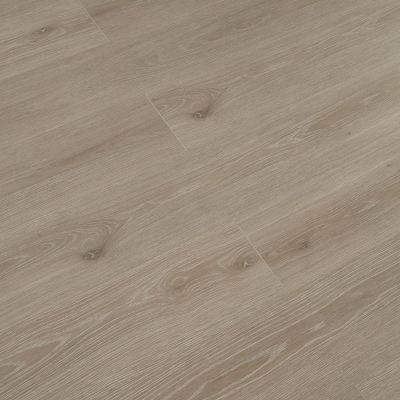
l Realistic wood or stone surface textures
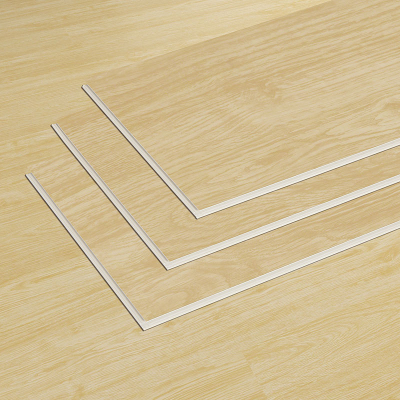
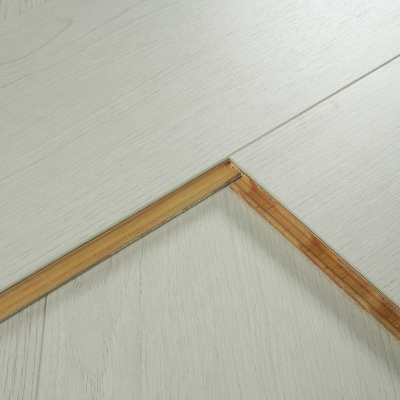
l Compatibility with click-lock installation systems
Because of these properties, SPC flooring has become a preferred solution for contractors seeking durable flooring with predictable installation performance.
Key Technical Specifications
When evaluating SPC flooring, buyers should carefully review the technical parameters that determine durability, installation efficiency, and lifecycle cost.
Below is a typical specification comparison used by project contractors.
Specification | Residential Grade | Commercial Grade |
Total Thickness | 4–5 mm | 5–7 mm |
Wear Layer | 0.3 mm | 0.5–0.7 mm |
Core Density | 1900–2100 kg/m³ | 2000–2200 kg/m³ |
Surface Treatment | Standard UV coating | Enhanced UV or ceramic coating |
Locking System | Standard click | Reinforced click system |
Warranty | 10–15 years | 20+ years |
For commercial installations, engineering teams typically select SPC flooring with thicker wear layers and reinforced locking mechanisms to ensure long-term durability.
Main Cost Factors and Performance Factors
The price of SPC flooring varies depending on several technical and manufacturing factors. Procurement managers should understand these variables when comparing supplier quotations.
Wear Layer Thickness
The wear layer protects the flooring surface from scratches and abrasion. Thicker wear layers significantly increase lifespan, particularly in commercial environments.
Core Density
Higher density improves structural stability and impact resistance. Flooring with lower density cores may feel softer but may not perform well in high-traffic areas.
Surface Texture Technology
Advanced embossing techniques such as EIR (Embossed in Register) replicate natural wood grain textures. While these features increase manufacturing cost, they greatly enhance visual realism.
Locking System Precision
The quality of the click-lock system affects installation speed and long-term floor stability. Precision milling reduces installation errors and improves joint strength.
Product Structure and Core Technology
The performance advantages of SPC flooring come from its multi-layer engineered construction.
Typical structures include four to five layers.
Wear Layer
A transparent protective layer that provides resistance against scratches, stains, and daily wear.
Decorative Layer
A printed film that reproduces natural materials such as oak, walnut, or stone textures.
SPC Core Layer
This rigid core forms the backbone of SPC flooring. The limestone-based composition delivers superior dimensional stability compared with traditional vinyl flooring.
Underlayment Layer
Many modern products include integrated IXPE or EVA foam backing, which enhances acoustic performance and walking comfort.
This multi-layer system allows SPC flooring to achieve strong mechanical performance while maintaining aesthetic flexibility.
Manufacturing Process Overview
High-quality SPC flooring requires precise manufacturing technology and strict quality control.
The standard production process includes several key stages:
1. Raw material formulation and mixing
2. High-temperature extrusion of SPC core boards
3. Decorative film lamination
4. UV surface coating and curing
5. Precision click-lock milling
6. Quality inspection and packaging
Modern manufacturers use automated extrusion lines and CNC milling equipment to maintain dimensional accuracy. Consistency in these processes directly impacts product quality and installation performance.
Industry Comparison
Procurement teams often compare SPC flooring with other flooring materials before finalizing purchasing decisions.
Flooring Type | Waterproof | Durability | Installation | Cost Level |
SPC flooring | Yes | High | Click-lock | Medium |
Limited | Medium | Click-lock | Low | |
No | High | Nail / glue | High | |
Ceramic tile | Yes | Very High | Mortar | High |
While ceramic tiles and hardwood floors remain premium options, SPC flooring offers a strong balance between durability, installation efficiency, and affordability.
Application Scenarios
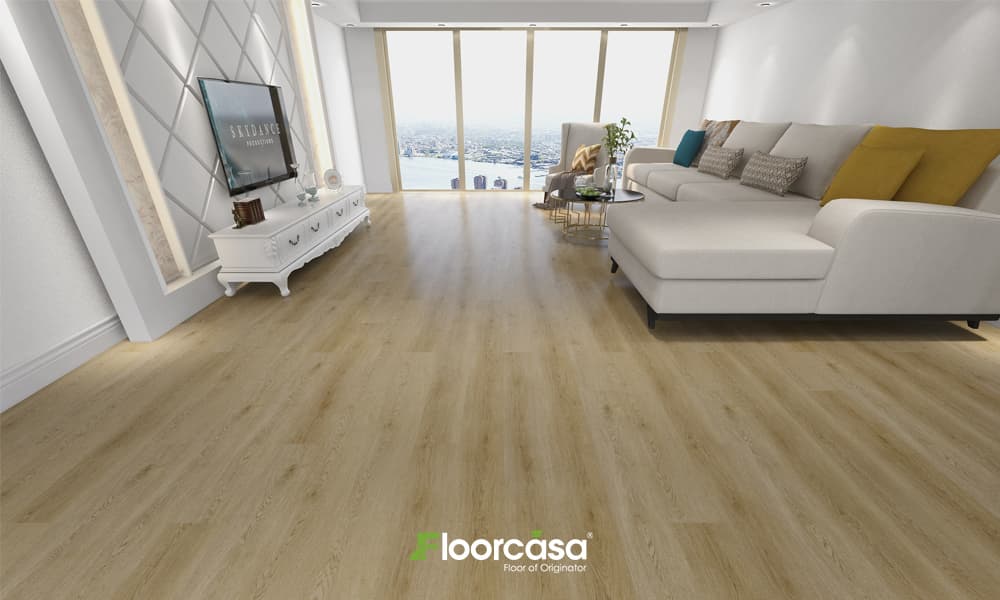
Because of its durability and waterproof performance, SPC flooring is widely used across different industries.
Residential Projects
l Apartments and condominiums
l Living rooms and bedrooms
l Kitchens and basements
Commercial Environments
l Retail stores and shopping malls
l Office buildings
l Hotels and hospitality spaces
l Educational institutions
l Healthcare facilities
Its combination of durability and aesthetics makes SPC flooring particularly suitable for high-traffic environments.
Common Buyer Concerns
When sourcing SPC flooring, international buyers typically focus on several key considerations.
Product Quality Consistency
Consistency in color, surface texture, and locking precision is critical for large projects.
Certification and Compliance
Professional buyers often require certifications such as:
l ISO quality management
l FloorScore indoor air quality certification
l CE or ASTM testing standards
Supply Reliability
Manufacturing capacity and delivery schedules are important factors when selecting suppliers for long-term partnerships.
Procurement and Selection Guide
Choosing the right SPC flooring supplier requires a structured evaluation process.
Review Manufacturing Experience
Factories with extensive export experience typically have better quality management systems and supply stability.
Evaluate Production Equipment
Modern extrusion lines and precision milling machines improve product consistency.
Request Samples and Test Reports
Before placing bulk orders, procurement managers should evaluate:
l Wear layer thickness
l Locking system strength
l Surface texture quality
l Dimensional stability
This process helps buyers reduce sourcing risks and ensure product suitability for specific projects.
Case Study: Commercial Office Renovation
A commercial office renovation project in the Middle East required durable flooring that could be installed quickly without interrupting daily operations.
The contractor selected SPC flooring with a 5 mm thickness and 0.5 mm wear layer.
Key results included:
l Installation completed 35% faster than ceramic tile installation
l Improved acoustic comfort in office areas
l Lower long-term maintenance costs
The project demonstrated how SPC flooring can provide both operational efficiency and durable performance in commercial environments.
FAQ: Buyer Questions About SPC Flooring
1. Is SPC flooring suitable for heavy commercial traffic?
Yes. Commercial-grade SPC flooring with a thick wear layer performs well in retail stores, offices, and hotels.
2. Can SPC flooring be installed over existing floors?
In many cases, SPC flooring can be installed over level surfaces such as concrete or tiles.
3. How waterproof is SPC flooring?
The rigid core structure makes SPC flooring completely waterproof.
4. What wear layer is recommended for commercial projects?
Typically 0.5 mm or thicker.
5. Is SPC flooring compatible with underfloor heating?
Yes, most modern SPC flooring products support radiant heating systems.
6. What maintenance does SPC flooring require?
Routine cleaning with mild detergent is usually sufficient.
7. How long does SPC flooring last?
High-quality installations can last 20 years or longer.
8. Does SPC flooring expand in hot climates?
The rigid core minimizes expansion compared with traditional vinyl flooring.
9. What certifications should buyers request?
Common certifications include FloorScore, ISO, and CE compliance.
10. How is SPC flooring packaged for international shipping?
Products are typically packed in cartons and shipped via container freight.
Request a Quote or Technical Information
For distributors, importers, and contractors seeking reliable flooring materials, selecting the right SPC flooring supplier is essential for ensuring long-term project success.
Professional manufacturers can provide:
l Detailed technical specifications
l Product testing reports
l Installation guidance
l Customized design options
l Competitive bulk pricing
If you are sourcing SPC flooring for upcoming residential or commercial projects, contacting an experienced supplier for samples, technical documentation, and quotations is the best way to evaluate product quality and ensure the flooring meets your performance and budget requirements.