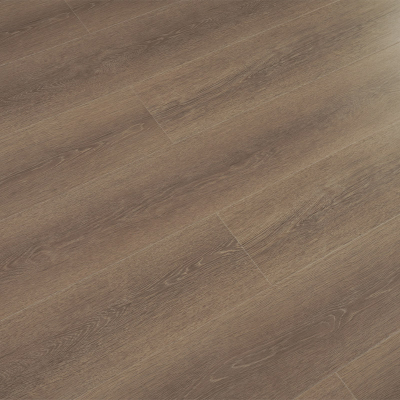
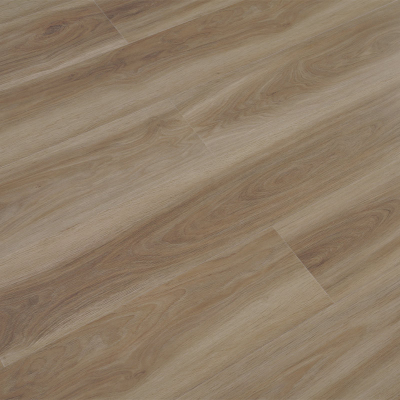
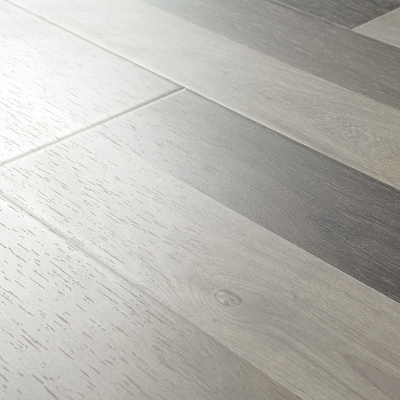
SPC flooring factory
What Is an SPC Flooring Factory
An SPC flooring factory is a manufacturing facility—typically located in Asia (China, Vietnam, Malaysia, or South Korea)—that produces Stone Plastic Composite (SPC) flooring products through a continuous, high-volume industrial process combining polymer extrusion or calendering, lamination, profiling, and quality control. From an engineering and supply chain perspective, an SPC factory is not a simple production line but an integrated manufacturing system that converts raw materials—PVC resin, calcium carbonate filler, plasticisers, stabilisers, pigments, decorative films, and wear layer materials—into finished rigid core flooring planks with precise dimensional tolerances (±0.05 mm), consistent density (1.8–2.2 g/cm³), and certified performance (AC5 wear rating, CARB Phase 2 emissions, slip resistance R10–R11). The factory's production capacity, quality control systems, and supply chain integration determine the product's cost, quality, and availability.
The material structure produced by an SPC factory consists of: a rigid core (PVC resin 30–40%, calcium carbonate filler 60–70%, density 1.8–2.2 g/cm³); a printed decorative layer (0.07–0.10 mm, rotogravure or digital printing); a wear layer (0.20–0.55 mm, Al₂O₃ 30–50 g/m²); a backing layer (cork, foam, rubber, or felt for acoustic insulation); and a click-lock profile (angle-angle or drop-lock, ±0.05 mm tolerance). The structural behaviour of SPC is governed by the high filler content—the calcium carbonate provides rigidity and dimensional stability, while the PVC matrix provides toughness and waterproofness (thickness swelling <0.5% under 24-hour immersion). The factory's manufacturing process determines the product's dimensional stability, joint integrity, and long-term performance.
The essential distinction between an SPC factory and other flooring manufacturing facilities is the scale and precision of the production process. SPC production requires: (a) high-precision calendering or extrusion equipment (±0.05 mm thickness tolerance), (b) controlled cooling (5–8°C/minute) to achieve dimensional stability, (c) high-resolution printing (rotogravure or digital, up to 12 colour layers), (d) EIR (Embossed in Register) embossing, and (e) precision milling of click-lock profiles (±0.05 mm). A modern SPC factory can produce 500,000–2,000,000 m² of flooring per month, with quality control systems (in-line thickness measurement, batch testing, colour consistency) that ensure product consistency across millions of square metres.
The original engineering purpose of SPC flooring factories was to meet the growing global demand for waterproof, durable, and dimensionally stable flooring. SPC was developed in the 2010s as an improvement over WPC (Wood Plastic Composite) and laminate, offering higher density, better dimensional stability, and superior moisture resistance. Today, SPC factories are the primary source of rigid core flooring for residential, commercial, and institutional applications worldwide, with Asia accounting for over 80% of global SPC production.
Manufacturing Process of an SPC Factory
The manufacturing process in an SPC factory includes specific steps that ensure product quality, consistency, and performance.
Raw Material Reception and Compounding: PVC resin (suspension grade, K-value 60–70), calcium carbonate filler (5–20 micron particle size, surface-treated), phthalate-free plasticisers (DOTP or DINCH), stabilisers (calcium-zinc), pigments, and processing aids are received and tested. The materials are batched and mixed in a high-speed mixer (1,200–1,500 rpm) at 100–120°C to achieve homogeneous dispersion. The compounding process determines the product's density, colour consistency, and dimensional stability. Inadequate mixing creates filler agglomerates that become stress concentration points under load.
Calendering or Extrusion: The compounded material is processed through a four-roll calender (flexible LVT) or a twin-screw extruder (rigid SPC). The calender/extruder produces a continuous sheet with a thickness tolerance of ±0.05 mm. For SPC, the extrusion line operates at 180–220°C. The sheet is cooled (5–8°C/minute) through a series of cooling rolls and a water bath. The cooling rate determines the crystallinity and dimensional stability—rapid cooling creates internal stresses; slow cooling allows the polymer to relax. A modern SPC factory can produce sheets at 15–30 m/min.
Decorative Layer Printing: The decorative layer (0.07–0.10 mm) is printed using rotogravure (engraved cylinders, up to 12 colour layers) or digital printing (inkjet). Rotogravure is the preferred method for high-volume production—it provides consistent colour and high resolution. The printing process includes registration marks for EIR (Embossed in Register) alignment. The printed film is laminated onto the cooled core using heat (120–150°C) and pressure (2–3 MPa).
Wear Layer Lamination: The clear wear layer (0.20–0.55 mm, Al₂O₃ 30–50 g/m²) is laminated over the decorative layer. The wear layer is UV-cured (medium-pressure mercury lamps, 80–120 W/cm) for hardness and chemical resistance. The wear layer thickness is monitored continuously using beta-ray or laser gauges—ensuring AC3, AC4, or AC5 rating.
EIR Embossing: The surface is embossed using a chilled steel embossing roller synchronised with the printed pattern (EIR—Embossed in Register). The embossing depth (0.2–0.5 mm) provides slip resistance and aesthetic realism. The embossing roller is custom-made for each design—adding 5–10% to tooling costs.
Profiling (Click-Lock): The click-lock profile is milled using high-speed CNC routers or profilers. The profile tolerance is ±0.05 mm. The profile type (angle-angle, drop-lock, or 5G) determines the installation method and joint strength (≥800 N/m for commercial applications). For waterproof products, a gasket (rubber or silicone) is applied to the profile.
Quality Control: SPC factories implement quality control at each stage: (a) raw material testing, (b) in-line thickness measurement, (c) batch testing (density, thickness, wear layer, dimensional stability, VOC emissions), (d) colour measurement (ΔE ≤1.0), and (e) packaging inspection. Batch test reports are provided with each shipment.
Why Manufacturing Affects Real-World Performance: A US distributor received SPC from a factory with inadequate cooling control (cooling rate variation >3°C/minute). The product exhibited thickness variation (±0.15 mm) and dimensional instability—causing lipping and gapping in a 5,000 m² hotel installation. The distributor switched to a factory with controlled cooling (5–8°C/minute, tolerance ±1°C/minute)—the product has performed without issue for 3 years. The manufacturing process (cooling control) determined the real-world performance.
Technical Specifications for SPC Factory Production
SPC flooring produced in a factory must meet specific technical requirements across multiple parameters.
Thickness: 4.0–6.5 mm (residential: 4.0–5.0 mm; commercial: 5.0–5.5 mm; industrial: 5.5–6.5 mm). Thickness tolerance ±0.05 mm (EN 13329).
Density: SPC core 1.8–2.2 g/cm³; calcium carbonate content 60–70%. Higher density provides better point-load resistance and indentation resistance.
Wear Layer Thickness: 0.20–0.55 mm; Al₂O₃ content 30–50 g/m². AC rating (EN 13329): AC3 (residential), AC4 (commercial), AC5 (heavy commercial).
Moisture Resistance: Thickness swelling (24-hour immersion) ≤0.5%—SPC is waterproof.
Dimensional Stability: Thermal expansion coefficient ≤0.08 mm/m/°C (ASTM D696). Moisture expansion coefficient ≤0.02%. Dimensional stability is critical for large installations.
VOC Emissions: CARB Phase 2 (≤0.05 ppm formaldehyde) or E1 (≤0.124 mg/m³). Phthalate-free plasticisers (DOTP or DINCH) are required for US and EU markets.
Slip Resistance: R9–R10 (EN 13893) or DCOF ≥0.42 (ASTM C1028). EIR embossing provides slip resistance.
Colour Consistency: ΔE ≤1.0 between batches (EN 13329/ISO 105-J01). Colour consistency is essential for large installations.
Fire Resistance: ASTM E84 Class I (flame spread ≤25) or EN 13501-1 Bfl-s1 for commercial applications.
Advantages of SPC Factory Production in Real Projects
Project data demonstrates the engineering and commercial benefits of SPC factory production.
Production Capacity: A modern SPC factory can produce 500,000–2,000,000 m² per month—enabling large-volume orders (10,000–100,000 m²) with consistent quality. A US distributor sourced 500,000 m² of SPC from a single factory, achieving consistent colour and thickness across the entire order—the product performed without issue across 50 retail stores.
Cost Efficiency: SPC factory production benefits from economies of scale: raw material purchasing (PVC resin, calcium carbonate, plasticisers), energy efficiency (continuous production lines), and labour efficiency (automated processes). Ex-works pricing: $10–18/m² (depending on thickness, wear layer, and volume). Volume discounts: 5–10 containers (5–10% discount); 10+ containers (10–15% discount); 20+ containers (15–20% discount).
Quality Control: SPC factories implement quality control at each stage—ensuring product consistency across millions of square metres. Batch test reports, colour measurement (ΔE ≤1.0), and dimensional stability tests provide traceability and quality assurance. A US distributor reported 0.2% failure rate (thickness variation, colour mismatch) with a certified SPC factory versus 5% with a non-certified factory.
Customisation: SPC factories offer customisation: (a) custom thickness (4.0–6.5 mm), (b) custom wear layer (0.20–0.55 mm), (c) custom colours and designs (rotogravure or digital printing), (d) custom packaging (branding, labelling), and (e) custom packaging (branded cartons, private label). MOQ for custom products: 5–10 containers (7,500–15,000 m²).
Real Failure Logic: A US distributor sourced SPC from a non-certified factory to save $3/m². The first shipment had thickness variation (±0.15 mm), colour mismatch (ΔE 2.5), and packaging damage. The distributor incurred $25,000 in replacement costs and lost customer confidence. The lesson: SPC factory certification and quality control are not optional—they are essential.
SPC Factory Production vs Alternative Sourcing
Comparison with alternative sourcing provides selection criteria for procurement engineers.
System A: Certified SPC Factory vs System B: Non-Certified Factory
Certified factory cost: $12–18/m²; non-certified: $10–15/m². Quality: certified consistent (ISO 9001, QC documentation); non-certified variable. Failure risk: certified <0.5% at 5 years; non-certified 3–5% at 5 years (thickness variation, colour mismatch). The premium for certified (10–20% higher cost) is justified by quality assurance and reduced failure risk.
System C: Direct SPC Factory vs System D: Trading Company
Direct factory cost: $10–18/m²; trading company: $12–20/m². Quality: direct factory controlled; trading company variable (multiple factories). Minimum order: direct factory 5–10 containers; trading company 1–2 containers. The premium for trading company (10–20% higher cost) is justified for smaller orders (<5 containers) and multi-product sourcing.
System E: SPC Factory vs System F: US Warehouse Stock
Factory cost: $10–18/m² (ex-works Asia); warehouse stock: $18–28/m² (US landed). Lead time: factory 8–14 weeks; warehouse stock 1–5 days. Minimum order: factory 1 container; warehouse stock 1 pallet. The premium for warehouse stock (30–60% higher cost) is justified for projects requiring fast lead times (<2 weeks) and small quantities (<1 container).
Application Scenarios for SPC Factory Sourcing
SPC factory sourcing serves multiple buyer types, each with specific requirements.
Distributors and Wholesalers: Sourcing containers for resale—SPC 5.0–5.5 mm, 0.30–0.55 mm wear layer. Selection rationale: cost efficiency (volume discounts), consistent quality, supply chain control. Risks: quality consistency, logistics delays. Conditions to control: specify product details; implement QC; manage logistics; maintain safety stock.
Contractor Groups: Sourcing direct for projects—SPC 5.5–6.5 mm, 0.55 mm wear layer. Selection rationale: cost savings (20–40% lower than branded), consistent quality, supply chain control. Risks: QC responsibility, lead time (8–14 weeks). Conditions to control: specify product details; implement QC; maintain safety stock; manage logistics.
Retailers and E-Commerce: Sourcing for private label—SPC 5.0–5.5 mm, 0.30–0.55 mm wear layer. Selection rationale: brand differentiation, higher margins. Risks: QC responsibility, inventory holding costs, product obsolescence. Conditions to control: specify product details; implement QC; manage inventory; build brand identity.
Real Estate Developers: Sourcing direct for projects—SPC 5.5 mm, 0.55 mm wear layer. Selection rationale: cost savings, consistent quality. Risks: QC responsibility, project timeline. Conditions to control: specify product details; implement QC; maintain safety stock.
Procurement Guide for SPC Factory Sourcing
Procurement from an SPC factory requires a systematic approach to supplier selection, specification, and QC.
Supplier Selection: Evaluate factories based on: (a) ISO 9001 and ISO 14001 certification, (b) production capacity (≥500,000 m²/month), (c) QC documentation (batch test reports, CARB Phase 2, ASTM compliance), (d) reference projects, and (e) financial stability. Conduct a factory audit for large orders (>100,000 m²).
Product Specification: Define the product specification: (a) thickness (±0.05 mm), (b) wear layer (0.20–0.55 mm), (c) AC rating (AC3–AC5), (d) density (1.8–2.2 g/cm³), (e) dimensional stability (ASTM F2195), (f) VOC emissions (CARB Phase 2), (g) slip resistance (DCOF ≥0.42), (h) fire resistance (ASTM E84 Class I), (i) colour (ΔE ≤1.0), and (j) packaging. Include the specification in the purchase order.
Quality Control: Implement QC: (a) pre-production sample, (b) production sample, (c) pre-shipment inspection (SGS, Bureau Veritas—verify thickness, colour, wear layer, packaging, documentation), (d) receiving inspection, and (e) ongoing QC. The QC cost ($200–500 per container) is justified by eliminating the risk of receiving substandard product.
Logistics Management: Use an experienced freight forwarder with expertise in SPC imports. Manage: (a) origin logistics, (b) ocean freight, (c) destination logistics, and (d) documentation. Confirm Incoterms (FOB, CIF, or CFR).
Intellectual Property: Protect product design and branding: (a) trademark the brand name and logo, (b) copyright packaging design, (c) NDA with the factory, and (d) non-compete agreement (if possible).
Common Problems and Solutions
Field-observed failures in SPC factory sourcing provide practical lessons.
Quality Discrepancy
Cause: Product does not match the specification; factory substituted inferior raw materials.
Symptom: Product rejected at receiving; client rejection.
Solution: Reject the shipment; claim with factory; source replacement.
Prevention: Specify product details; request samples; use pre-shipment inspection.
Thickness Variation
Cause: Cooling control inadequate; calender/extrusion tolerance >±0.05 mm.
Symptom: Lipping at joints; installation issues; visible under light.
Solution: Reject the batch; request replacement; if acceptable, separate thicknesses.
Prevention: Specify thickness ±0.05 mm; measure at receiving; reject if >±0.05 mm.
Colour Mismatch
Cause: Different production batches; factory did not verify ΔE ≤1.0.
Symptom: Visible colour difference; client rejection.
Solution: Reject the batch; request replacement from the same batch.
Prevention: Specify ΔE ≤1.0; request colour measurement reports; order the full project quantity from a single batch.
Packaging Damage
Cause: Poor packaging; rough handling; inadequate protection.
Symptom: Damaged cartons, scratched planks.
Solution: Document damage; reject damaged product; claim with factory.
Prevention: Specify packaging requirements (edge protection, moisture barrier, palletisation); inspect at receiving.
Logistics Delay
Cause: Port congestion, weather, carrier scheduling, customs clearance.
Symptom: Container arrives 2–6 weeks late; project delayed.
Solution: Maintain safety stock; use a faster shipping route; use a more reliable carrier.
Prevention: Build lead time into the project schedule (8–14 weeks); use experienced forwarders; maintain safety stock.
FAQ: Procurement and Engineering Questions
1. What is an SPC flooring factory?
A manufacturing facility that produces Stone Plastic Composite (SPC) flooring through calendering or extrusion, lamination, profiling, and quality control. SPC factories are typically located in Asia and produce 500,000–2,000,000 m² per month.
2. How much does SPC cost from a factory?
Ex-works Asia: $10–18/m² (depending on thickness, wear layer, and volume). Logistics: $5–8/m². Total landed cost: $15–26/m². Volume discounts: 5–10 containers (5–10% discount); 10+ containers (10–15% discount); 20+ containers (15–20% discount).
3. What is the minimum order quantity from an SPC factory?
1 container (1,500–2,500 m² depending on thickness). For custom colours and designs, MOQ is 5–10 containers. Smaller orders (LCL—Less than Container Load) are possible at a 20–30% premium.
4. What is the lead time from an SPC factory?
Manufacturing: 4–6 weeks; shipping: 30–45 days (Asia to US/Europe); customs: 5–10 days; inland: 2–5 days. Total lead time: 8–14 weeks. Air freight: 5–10 days (but 10–20× more expensive).
5. How do I verify SPC factory quality?
Verify ISO 9001 and ISO 14001 certification; request batch test reports (thickness, density, wear layer, dimensional stability, VOC emissions); request CARB Phase 2 and ASTM compliance; conduct a factory audit; use third-party inspection (SGS, Bureau Veritas).
6. What documents are required from an SPC factory?
Commercial invoice, packing list, Bill of Lading, Certificate of Origin, CARB Phase 2 compliance, ASTM test reports, CE marking/DoP (for Europe), and REACH compliance documentation (for Europe).
7. Can I get custom SPC from a factory?
Yes—custom thickness (4.0–6.5 mm), custom wear layer (0.20–0.55 mm), custom colours and designs (rotogravure or digital printing), and custom packaging. MOQ for custom products: 5–10 containers (7,500–15,000 m²).
8. What is the best way to find an SPC factory?
Industry trade shows (TISE, Domotex, Coverings), B2B platforms (Alibaba, Global Sources), industry directories, and referrals from other distributors. Conduct a factory audit before placing large orders.
Industry Standards and Certifications
SPC factories must comply with relevant international standards.
EN Standard System: EN 13329 (laminate—referenced for SPC wear layer testing, AC rating), EN 14041 (moisture-resistant products—P5/P7 rating), EN 16511 (modular multilayer flooring—SPC and LVT), EN 13893 (slip resistance—R classes), EN 1811 (emission testing—E1 compliance). CE marking under the CPR is required for European markets.
ASTM Testing Methods: ASTM F2195 (dimensional stability—critical for US climate), ASTM F964 (vinyl flooring—chemical resistance), ASTM G154 (UV stability), ASTM C1028 (slip resistance—DCOF), ASTM E84 (fire resistance—Class I), ASTM D1308 (chemical resistance).
ISO Quality Management: ISO 9001 (quality management) and ISO 14001 (environmental management) are the minimum requirements for credible manufacturers. ISO 50001 (energy management) may be specified.
US Regulatory Standards: CARB Phase 2 (formaldehyde emissions ≤0.05 ppm) is mandatory for California and many US states. Phthalate-free plasticisers (DOTP or DINCH) are required for US markets. FTC regulations on marketing claims, warranties, and country of origin labelling.
Sustainability Certification: Recycled content certification (Global Recycled Standard, UL 2799) is available for SPC with 25–50% recycled PVC. LEED credits are achievable with products containing ≥30% recycled content and low VOC emissions.
Significance in Procurement: Verify that the SPC factory meets: (a) ISO 9001 and ISO 14001 certification, (b) CARB Phase 2 compliance, (c) ASTM E84 Class I, (d) ASTM C1028 DCOF ≥0.42, and (e) EN 13329 AC rating. Request test reports and factory audit.
Conclusion: Engineering Decision Logic
SPC flooring factories are the primary source of rigid core flooring for global markets—requiring systematic supplier selection, specification, and quality assurance.
Supplier Selection Logic: Choose an SPC factory based on: (a) ISO 9001 and ISO 14001 certification, (b) production capacity (≥500,000 m²/month), (c) QC documentation (batch test reports, CARB Phase 2, ASTM compliance), (d) reference projects, and (e) financial stability. Conduct a factory audit for large orders.
Cost vs Performance Tradeoff: Certified SPC factories are 10–20% more expensive than non-certified factories but provide consistent quality and reduced failure risk (<0.5% versus 3–5%). The premium is justified by quality assurance and reduced risk.
Risk Priority Judgement: Highest risk is quality discrepancy—specify product details and implement QC. Second is logistics delay—maintain safety stock and use experienced forwarders. Third is thickness variation—specify ±0.05 mm and inspect at receiving. Fourth is colour mismatch—specify ΔE ≤1.0.
Final Decision Protocol: Define the product specification (thickness, wear layer, AC rating, colour). Select a certified SPC factory. Implement QC (pre-production sample, production sample, pre-shipment inspection). Manage logistics (freight forwarder, shipping route, documentation). Maintain safety stock (10–15% overage). SPC factory sourcing, when correctly managed, provides cost-effective, high-quality flooring for 10–20 years of reliable service.