SPC Flooring Distributor in Germany
What Is SPC Flooring Distributor in Germany
From an engineering procurement and European logistics perspective, an SPC flooring distributor in Germany is defined as a wholesale supplier providing stone plastic composite flooring products to the German and broader European markets, typically sourcing from Asian manufacturing hubs. Germany represents the largest flooring market in Europe, with annual imports of SPC and vinyl flooring valued at over €500 million. The German market is characterized by high quality standards, demanding regulatory requirements, and sophisticated distribution networks serving residential renovation, commercial construction, and hospitality sectors.
The material requirements for the German market are shaped by European standards and local building regulations. Products must meet EN standards for dimensional stability, abrasion resistance, and emissions, with formaldehyde emissions following E1 or CARB2 requirements. Indoor air quality is increasingly important, with Greenguard Gold certification being a competitive differentiator. Fire safety requirements follow EN 13501-1 classifications, with products typically specified at Cfl-s1 for residential applications.
The logistics chain for SPC distribution in Germany involves container shipping through major ports including Hamburg, Bremerhaven, and Wilhelmshaven, with lead times typically ranging from thirty to fifty days from Asian manufacturing hubs. Germany's central European location and excellent inland logistics infrastructure enable efficient distribution throughout the EU and neighboring markets. The country's network of warehouses and distribution centers supports just-in-time delivery to construction sites and retail locations across Germany and Europe.
Manufacturing Process and Supply Chain
The production methods for SPC flooring exported to Germany must address European quality standards and regulatory requirements. Understanding the supply chain allows procurement based on measurable properties that correlate to field performance.
Climate and Performance Considerations for the German Market
Germany's temperate climate requires flooring that performs across seasonal temperature and humidity variations. SPC's dimensional stability makes it well-suited for the German climate, where temperatures range from -10°C in winter to 35°C in summer. The waterproof construction is particularly valued in kitchens, bathrooms, and basements common in German homes. Products must maintain dimensional stability under typical European humidity variations.
Quality Control and Certification for Germany
Exporters to Germany must meet EN standards and German building regulations. Products must comply with EN 14041 and EN ISO 10582 for resilient floor coverings. Fire safety classifications follow EN 13501-1, with Cfl-s1 being common for residential applications. Formaldehyde emissions must meet E1 or CARB2 requirements. Greenguard Gold certification is increasingly required for schools and healthcare applications.
Packaging and Shipping to Germany
Export packaging must protect flooring from container humidity and temperature extremes during shipping. Moisture barriers and edge protection are essential for product integrity. Proper palletization and container loading optimize shipping efficiency. ISPM 15 compliant pallets are required for wood packaging.
Technical Specifications for SPC Distribution in Germany
Product Standards and Certification
Products must meet EN standards for performance and emissions. EN 14041 provides the framework for resilient floor coverings. Use class classification follows EN ISO 10874, with Class 33-42 typical for commercial applications. Indoor air quality certification such as Greenguard Gold is increasingly specified for schools and healthcare. Fire safety classification must be documented.
Market Requirements
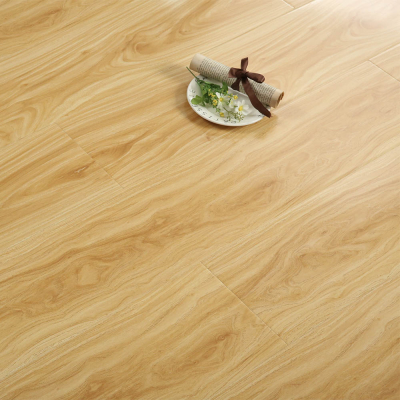
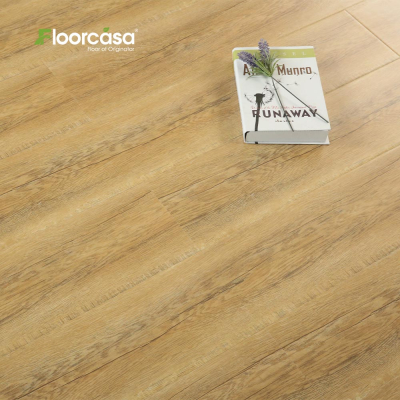
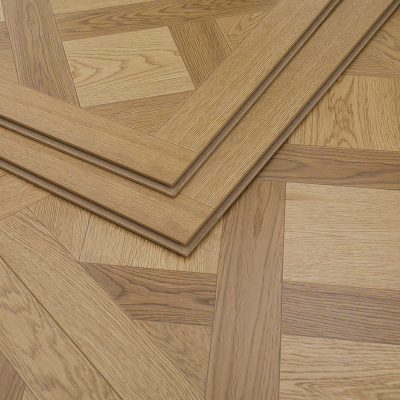
SPC thickness ranges from 4.0 to 8.0 mm, with 5.0 and 6.0 mm being most common for residential and commercial applications. Wear layer thickness from 0.3 to 0.7 mm, with 0.5 mm typical for residential and 0.7 mm for commercial. Plank sizes range from 150 to 300 mm width and 900 to 1800 mm length. A wide range of wood and stone designs are available.
Logistics Specifications
Shipping to Hamburg, Bremerhaven, or Wilhelmshaven takes thirty to fifty days from Asian ports. Container capacity is 1,800 to 2,200 m² per 20-foot container and 3,600 to 4,400 m² per 40-foot container. Inland distribution to German and European destinations takes two to seven days.
Advantages in Real Projects
German Market Dynamics
Germany is the largest flooring market in Europe, representing approximately twenty percent of European SPC demand. The residential renovation sector drives significant demand for SPC flooring. Commercial construction, including offices and retail, provides steady demand for higher-specification products. The hospitality sector requires durable, aesthetically versatile flooring solutions.
Distribution Network
Germany's central European location enables efficient distribution throughout the EU. The country's network of logistics centers supports just-in-time delivery. Established distributor networks provide market access through retail and project channels. E-commerce platforms are increasingly important for residential sales.
Quality Reputation
German buyers prioritize quality, durability, and certification. SPC flooring's dimensional stability and waterproof construction align with German quality expectations. Products with EN certifications and Greenguard Gold have competitive advantage.
SPC Flooring Distributor in Germany vs Other Markets
Regional Comparison
| Parameter | Germany | France | UK | Netherlands |
|---|---|---|---|---|
| Market size | Largest | Large | Large | Moderate |
| Certifications required | EN, Greenguard | EN, CSTB | EN, BBA | EN |
| Logistics hub | Excellent | Good | Good | Excellent |
| Key sectors | Residential, commercial | Residential | Residential, commercial | Commercial |
Regulatory Requirements
Germany has specific regulatory requirements that must be met for market access. EN standards provide the framework for product certification. Fire safety requirements follow building codes. Indoor air quality regulations may require additional certification.
Cost and Logistics Comparison
Shipping costs to Germany are comparable to other European destinations. Lead times from Asia are thirty to fifty days to German ports. Inland distribution costs are generally lower due to the efficient logistics infrastructure.
Application Scenarios
Residential Renovation Projects
SPC flooring is popular for residential renovations throughout Germany. The waterproof construction is valued for kitchens and bathrooms. The dimensional stability suits Germany's climate variations. The wide range of designs accommodates various interior styles.
Commercial Office Developments
Commercial office projects require durable, low-maintenance flooring. SPC provides the necessary durability with acoustic underlayment options. The ease of installation suits renovation timelines.
Hospitality and Retail
The hospitality sector benefits from SPC's durability and design versatility. Retail applications require high-traffic flooring with aesthetic appeal.
Public Sector Projects
Schools, healthcare, and government buildings increasingly specify SPC with Greenguard Gold certification. The durability and low maintenance requirements suit public sector budgets.
Installation Guide for SPC in Germany
Subfloor Preparation
SPC requires the same substrate preparation as other resilient flooring products. The substrate must be smooth, dry, and level with appropriate flatness tolerance. Moisture testing is required for concrete subfloors.
Climate Considerations
Products should be acclimated to the installation environment. Acclimation period of twenty-four to forty-eight hours is typical for SPC. Temperature and humidity conditions should be stable during installation.
Installation Method
Click-lock installation is standard, with proprietary locking mechanisms providing secure connections. Floating installation eliminates the need for adhesives. Underlayment may be required for acoustic performance.
Common Installation Mistakes
Inadequate substrate preparation leads to telegraphing of imperfections. Insufficient acclimation causes dimensional changes after installation. Incorrect expansion gap sizing results in buckling or gapping.
Common Problems & Solutions
Logistics and Lead Times
Shipping delays from Asia can affect project timing. The solution is ordering with adequate lead time and maintaining buffer stock. Regional warehousing may mitigate supply chain risks.
Regulatory Compliance
Non-compliance with EN standards can delay project approval. The solution is selecting products with documented EN compliance. Pre-approval of products for specific projects is recommended.
Quality Consistency
Variation in product quality can affect installation and performance. The solution is sourcing from manufacturers with ISO 9001 quality management. Third-party testing verifies product consistency.
FAQ
What are the key requirements for SPC flooring in Germany?
Key requirements include EN 14041 compliance, appropriate fire safety classification, E1 or CARB2 formaldehyde emissions, and Greenguard Gold certification for indoor air quality. Products must also meet German building regulations and performance standards.
What is the market size for SPC flooring in Germany?
Germany represents the largest flooring market in Europe, with annual imports of SPC and vinyl flooring valued at over €500 million. The residential renovation sector drives the majority of SPC demand, with commercial and hospitality sectors also contributing.
What are the most popular SPC products in Germany?
Thickness ranges of 5.0 to 6.0 mm are most common for residential and commercial applications. Wear layer thickness of 0.5 mm is typical for residential, 0.7 mm for commercial. Wood and stone designs are the most popular aesthetics. Click-lock installation is standard.
What certifications are required for SPC in Germany?
Products must meet EN 14041 and EN ISO 10582 for resilient floor coverings. Fire safety classification per EN 13501-1 is required. Formaldehyde emissions must meet E1 or CARB2 requirements. Greenguard Gold certification is increasingly specified for schools and healthcare.
**What are the lead times for SPC distribution in Germany?
Shipping from Asian manufacturing hubs to German ports takes thirty to fifty days. Inland distribution to German destinations takes two to seven days. Total lead time from order to delivery is typically six to ten weeks. Buffer stock may be maintained in German warehouses.
What are the key shipping ports for SPC to Germany?
Hamburg is the largest container port in Germany and the primary entry point for flooring imports. Bremerhaven provides capacity for container shipping to Northern Germany. Wilhelmshaven offers deep-water container handling. Inland distribution from these ports reaches all German regions.
How does German building code affect SPC specifications?
German building codes require appropriate fire safety classifications for different occupancies. Acoustic performance may be required for multi-story residential applications. Accessibility requirements may affect slip resistance specifications. Building codes vary by region and application.
What is the role of e-commerce in German SPC distribution?
E-commerce platforms are increasingly important for residential SPC sales. Online sales of DIY-friendly SPC products continue to grow. E-commerce provides market access to smaller renovation projects.
Industry Standards and Certifications
EN Standards
EN 14041 provides the framework for resilient floor coverings. EN ISO 10582 specifies product requirements. Use class classification follows EN ISO 10874. Fire safety classification follows EN 13501-1.
Indoor Air Quality
Greenguard Gold certification ensures low VOC emissions. E1 and CARB2 ensure formaldehyde compliance. Indoor air quality is increasingly important for German projects.
Quality Management
ISO 9001 provides quality management certification for manufacturers. ISO 14001 provides environmental management certification.
What These Standards Mean for Procurement
EN standards ensure product quality and performance. Greenguard Gold ensures indoor air quality. ISO certifications ensure manufacturing quality. For procurement, require EN compliance, Greenguard Gold certification, and ISO 9001 certification.
Conclusion
The selection of an SPC flooring distributor in Germany is determined by three engineering criteria: product specifications meeting EN standards and German building codes, logistics capability for efficient distribution, and certification documentation for project approval. SPC provides the dimensional stability and durability required for German market applications.
Products with EN compliance, appropriate fire safety certification, and Greenguard Gold are recommended for German projects. Distributors with established supply chains from Asian manufacturing hubs and warehousing in Germany provide the most reliable service.
The risk priority order for SPC distribution in Germany includes regulatory compliance for project approval, logistics lead times from Asia, product quality consistency, and fire safety certification. Cost versus performance trade-off favors products with documented certification and established supply chains.
For German construction and renovation projects requiring durable, dimensionally stable, and certified flooring, SPC with EN compliance, appropriate fire safety rating, and Greenguard Gold certification provides the optimal balance of material performance and regulatory compliance.