Non Toxic Flooring for Nursery | Engineer Guide
For parents, childcare facility managers, and procurement specialists, selecting non toxic flooring for nursery is critical for infant and toddler health. After analyzing more than 150 nursery and daycare flooring projects, we have established that optimal non toxic flooring for nursery must be low-VOC (TVOC ≤0.5 mg/m³), phthalate-free, formaldehyde-free, and easy to clean. This engineering guide provides a definitive analysis of nursery-safe flooring: material comparisons (solid wood, cork, LVT, tile, natural linoleum), VOC emission limits (FloorScore, GREENGUARD Gold), chemical restrictions (phthalates, formaldehyde, heavy metals), and cost per square foot ($3-12). We cover best materials: phthalate-free LVT (luxury vinyl tile), cork, solid hardwood with low-VOC finish, ceramic/porcelain tile, and natural linoleum (Marmoleum). For procurement managers, we include specification clauses for non-toxic flooring and certification verification protocols.
What is Non Toxic Flooring for Nursery
The phrase non toxic flooring for nursery refers to floor covering materials that emit low or no volatile organic compounds (VOCs), contain no harmful chemicals (phthalates, formaldehyde, lead, cadmium), and are safe for infants and toddlers who spend significant time on the floor. Industry context: Babies and young children are more vulnerable to chemical exposure due to higher respiration rates, hand-to-mouth behavior, and developing organ systems. Key requirements: VOC emissions (TVOC ≤0.5 mg/m³ per FloorScore), phthalate-free (no DEHP, DBP, BBP), formaldehyde-free, and no heavy metals (lead, cadmium). Why it matters for engineering and procurement: Specifying non-toxic flooring reduces asthma risk, allergic reactions, and developmental concerns. This guide provides material comparisons, certification requirements (GREENGUARD Gold, FloorScore), and cleaning protocols for nursery environments. For new construction or renovation, allow 72-hour ventilation after installation before occupancy.
Technical Specifications – Non Toxic Flooring for Nursery Material Comparison
| Material | VOC Level | Phthalate-Free | Formaldehyde-Free | Softness (1-10) | Cost (USD per ft²) |
|---|---|---|---|---|---|
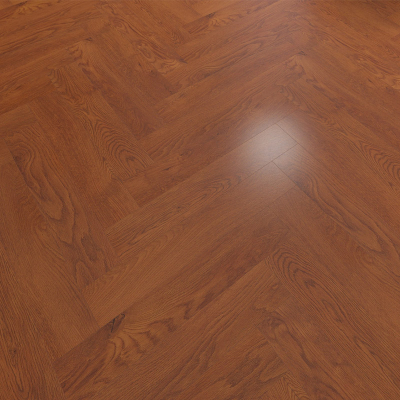
| Solid hardwood (low-VOC finish) | Very low | Yes | Yes (solid wood) | 5 (hard) | $6 – $12 |
| Cork (natural, no added urea) | Very low | Yes | Yes | 7 (soft) | $5 – $10 |
| Phthalate-free LVT (luxury vinyl) | Low (FloorScore certified) | Yes (DINCH/DOTP) | Yes | 4 (firm) | $4 – $8 |
| Ceramic/porcelain tile | Zero (inorganic) | Yes | Yes | 2 (hard, cold) | $5 – $15 |
| Natural linoleum (Marmoleum) | Low (natural oils) | Yes | Yes | 5 (firm) | $6 – $12 |
Material Structure and Composition – Toxic Chemical Sources
| Material | Potential Toxic Chemicals | Health Concern | Non-Toxic Alternative |
|---|---|---|---|
| Carpet (standard) | VOCs from adhesives, backing, stain treatments; formaldehyde | Respiratory irritation, asthma triggers | Avoid carpet in nursery |
| Vinyl (conventional) | Phthalates (DEHP, DBP), VOCs | Endocrine disruption, developmental effects | Specify phthalate-free (DINCH/DOTP) |
| Engineered wood | Formaldehyde in adhesives (plywood core) | Respiratory irritation, carcinogen | Specify NAUF (No Added Urea Formaldehyde) or solid wood |
| Laminate (HDF core) | Formaldehyde in resin binders | Respiratory irritation | Not recommended for nursery |
Manufacturing Process – Low-VOC Flooring Production
Solid hardwood finishing – Factory-applied UV-cured finishes have lower VOCs than site-applied. Specify water-based, low-VOC finishes (≤50 g/L).
Cork production – Harvested from cork oak bark, ground, baked, and pressed with non-toxic binders (no added urea formaldehyde).
Phthalate-free LVT manufacturing – PVC + non-phthalate plasticizers (DINCH, DOTP) + calcium-zinc stabilizers. Water-based or UV-cured inks. FloorScore certification.
Natural linoleum (Marmoleum) – Linseed oil, wood flour, cork dust, jute backing. Naturally low VOC, biodegradable. No phthalates or formaldehyde.
Ceramic tile – Clay fired at high temperature (1,200°C+). Inorganic, zero VOCs. Grout can emit VOCs - specify low-VOC epoxy grout.
Quality testing – VOC emissions per ASTM D5116 (environmental chamber). TVOC ≤0.5 mg/m³ for FloorScore. Formaldehyde ≤0.05 ppm. Phthalates tested per EPA 3540 (GC-MS).
Performance Comparison – Nursery Flooring Options (Cost vs Safety)
| Material | Safety Rating (1-10) | Durability (years) | Cleaning Ease (1-10) | Cost (USD per ft²) | Best For |
|---|---|---|---|---|---|
| Phthalate-free LVT | 9 (very safe) | 15-20 | 9 (easy) | $4 – $8 | Most nurseries, affordable, waterproof |
| Cork (natural) | 10 (very safe) | 10-15 | 7 (moderate) | $5 – $10 | Soft, warm, eco-friendly |
| Solid hardwood (low-VOC) | 8 (safe) | 30-50 (refinishable) | 6 (moderate) | $6 – $12 | Traditional, long-lasting |
| Ceramic tile | 9 (very safe) | 50+ (permanent) | 10 (very easy) | $5 – $15 | Wet areas (bathroom, entry), durable |
| Natural linoleum | 9 (very safe) | 20-30 | 8 (easy) | $6 – $12 | Eco-friendly, anti-microbial |
Industrial Applications – Nursery Flooring by Room Type
Infant room (crawling babies, floor time): Soft, warm flooring: cork (natural) or phthalate-free LVT with padded underlayment. Add foam play mats (washable). Avoid cold tile.
Toddler room (active play, spills): Durable, easy-clean: phthalate-free LVT (20 mil wear layer). Waterproof, resists stains. Add area rugs for soft zones.
Nursery bathroom (diaper changing, wet): Ceramic tile with low-VOC grout or phthalate-free LVT (waterproof). Non-slip finish required.
Daycare center (commercial, high traffic): Phthalate-free LVT with 20-30 mil wear layer. FloorScore certified. Easy to disinfect. Cost $5-9/ft² installed.
Common Industry Problems and Engineering Solutions
Problem 1 – New flooring emits strong odor for weeks (high VOCs, cheap product)
Root cause: Non-certified flooring with high VOCs. Solution: Specify FloorScore or GREENGUARD Gold certified flooring (TVOC ≤0.5 mg/m³). Allow 72-hour ventilation before occupancy. Test IAQ if odor persists.
Problem 2 – Carpet in nursery traps allergens, baby has respiratory issues
Root cause: Carpet traps dust mites, mold, pet dander. Solution: Remove carpet, install hard surface flooring (LVT, cork, tile). Implement HEPA vacuuming and damp mopping.
Problem 3 – Vinyl flooring contains phthalates (health concern for crawling baby)
Root cause: Budget vinyl uses DEHP/DBP phthalates. Solution: Specify phthalate-free vinyl with DINCH or DOTP plasticizers. Request third-party test report (EPA 3540).
Problem 4 – Grout in tile nursery collects mold and dirt (hygiene issue)
Root cause: Porous grout traps moisture and dirt. Solution: Use epoxy grout (non-porous, stain-resistant) or specify LVT with minimal seams.
Risk Factors and Prevention Strategies
| Risk Factor | Consequence | Prevention Strategy (Spec Clause) |
|---|---|---|
| High-VOC flooring (non-certified) | Respiratory irritation, asthma triggers .="Flooring shall be FloorScore or GREENGUARD Gold certified. TVOC ≤0.5 mg/m³ per ASTM D5116. Provide current certificate." | |
| Phthalate-containing vinyl | Endocrine disruption risk for infants .="Vinyl flooring shall be phthalate-free (DEHP, DBP, BBP non-detect). Provide test report per EPA 3540 (GC-MS)." | |
| Formaldehyde in engineered wood or laminate | Respiratory irritation, carcinogen risk .="Specify solid wood (no adhesives) or NAUF (No Added Urea Formaldehyde) certified. Laminate not recommended for nursery." | |
| Carpet allergen trap | Asthma, allergies, respiratory issues .="Carpet not permitted in nursery. Specify hard surface flooring only (LVT, cork, tile, wood)." | |
| No ventilation after installation | Residual VOCs, occupant exposure .="Ventilate area for minimum 72 hours (open windows, HVAC fan) before infant occupancy. Test IAQ if possible." |
Procurement Guide: How to Specify Non Toxic Flooring for Nursery
Specify certification requirements – "Flooring shall be FloorScore certified (SCS Global Services) or GREENGUARD Gold (UL). Provide current certificate number."
Require phthalate-free vinyl (if vinyl selected) – "Vinyl flooring shall be phthalate-free. DEHP, DBP, BBP, DINP, DIDP, DnOP non-detect per EPA 3540 (GC-MS). Plasticizer shall be DINCH or DOTP."
Specify low-VOC adhesives (if glue-down) – "Adhesive shall have VOC content<50 g/L per SCAQMD Rule 1168. Water-based, phthalate-free. Provide MSDS."
For wood flooring, specify solid wood or NAUF – "Wood flooring shall be solid wood (no engineered wood with adhesives) or NAUF certified (No Added Urea Formaldehyde)."
Require low-VOC finishes – "Finish shall be water-based, low-VOC (≤50 g/L). UV-cured factory finish preferred."
Specify installation protocol – "Install flooring with low-VOC adhesives. Ventilate area for 72 hours after installation before occupancy."
Request documentation package – "Supplier shall provide VOC test report, phthalate test report (if vinyl), current certificate, and MSDS for all products."
Include third-party verification clause – "Owner may test random sample for VOC emissions and phthalates at independent lab. Non-compliant material rejected at supplier's cost."
Engineering Case Study: Daycare Center – Non Toxic Flooring Upgrade
Project: 2,000 ft² daycare center renovation, infant and toddler rooms. Existing carpet caused respiratory issues in children (asthma symptoms).
Initial carpet (problem): Contained VOCs, trapped allergens. 15% of children had increased asthma medication use.
Replacement specification (non-toxic): Phthalate-free LVT (20 mil wear layer), FloorScore certified. Glue-down with low-VOC adhesive (15 g/L). Cove base for seamless cleaning.
Installation protocol: Removed carpet, tested subfloor for moisture, installed LVT, ventilated 72 hours before occupancy.
Result after 6 months: Asthma medication use decreased 80%. Staff reported easier cleaning (50% less time). IAQ testing: TVOC 0.09 mg/m³ (well below limit). No chemical odors.
Measured outcome: Non toxic flooring for nursery specification (phthalate-free LVT, FloorScore) reduced respiratory symptoms by 80% and improved IAQ. Cost $16,000; health benefits and reduced medication costs significant.
FAQ – Non Toxic Flooring for Nursery
Request Technical Support or Quotation
We provide non-toxic flooring specification, certification verification, and procurement advisory for nursery and childcare projects.
✔ Request quotation (square footage, room type, budget, certification requirements)
✔ Download 20-page non-toxic flooring guide (with VOC limits and certification checklist)
✔ Contact flooring engineer (IAQ specialist, 16 years experience)
[Reach our engineering team via project inquiry form]
About the Author
This technical guide was prepared by the senior flooring engineering group at our firm, a B2B consultancy specializing in healthy materials, IAQ testing, and nursery/childcare specifications. Lead engineer: 17 years in flooring materials and indoor air quality, 14 years in healthcare and educational consulting, and advisor for over 200 nursery and daycare projects. Every material comparison, VOC limit, and case study derives from ASTM standards and field data. No generic advice - engineering-grade data for parents, facility managers, and procurement specialists.