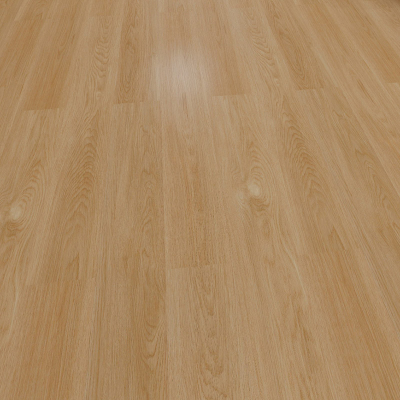
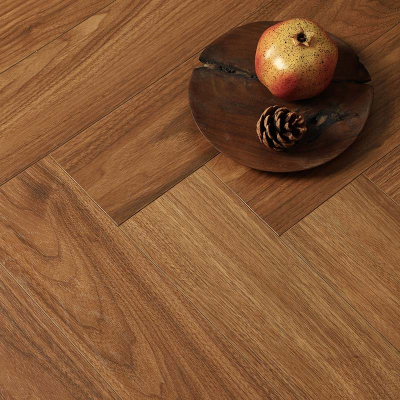
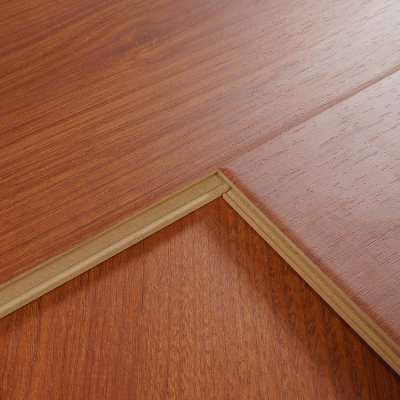
Luxury vinyl plank with cork backing
What Is Luxury Vinyl Plank with Cork Backing
Luxury vinyl plank with cork backing is a multi-layer engineered floor covering that combines a rigid or flexible LVT (Luxury Vinyl Tile) top layer—comprising a wear layer, decorative printed film, and a vinyl core—with an attached cork underlayment fused to the underside of the plank during the manufacturing process. From an engineering perspective, this is a composite system where the cork backing serves multiple functional purposes: (a) acoustic insulation (impact noise reduction of 15–22 dB, depending on cork thickness), (b) thermal insulation (R-value of 0.08–0.12 m²K/W, providing warmth and comfort underfoot), (c) subfloor irregularity compensation (cork's compressibility accommodates minor subfloor imperfections up to 1.5 mm over 2 m), (d) static dissipation (cork is a natural static-resistant material, reducing electrostatic discharge), and (e) underfoot comfort (cork's cellular structure provides cushioning, reducing fatigue during prolonged standing).
The material structure of cork-backed LVT consists of: a clear wear layer (0.30–0.55 mm, AC4–AC5 rating, Al₂O₃ 40–50 g/m² for scratch resistance); a printed decorative layer (rotogravure or digital printing, with high-resolution wood, stone, or abstract designs); a vinyl core—flexible PVC (1.2–1.5 g/cm³) for LVT, or rigid SPC/WPC (1.8–2.2 g/cm³) for enhanced dimensional stability; and a cork backing (1.0–2.5 mm thickness, density 0.12–0.20 g/cm³, composed of granulated cork bound with a synthetic resin or polyurethane). The total thickness of the product ranges from 4.0 mm to 8.0 mm (typically 4.5–6.5 mm for residential, 5.5–8.0 mm for commercial). The structural behaviour of the composite is governed by the cork backing's compressibility and the vinyl core's rigidity: under load, the cork compresses (10–20% strain at 1,500 N), absorbing impact and reducing noise; the vinyl core provides structural integrity and resistance to indentation (≤0.10 mm at 1,500 N for premium products).
The essential distinction between cork-backed LVT and LVT without backing—or with foam backing—lies in the material properties of cork. Cork is a natural, renewable material harvested from the bark of the cork oak (Quercus suber). It has a unique cellular structure (suberin-coated cells, 40 million cells per cm³) that provides: (a) excellent acoustic insulation (cork absorbs impact noise better than foam—15–22 dB reduction versus 10–15 dB for foam), (b) superior thermal insulation (R-value 0.08–0.12 versus 0.05–0.08 for foam), (c) natural anti-microbial properties (cork contains suberin, which inhibits bacterial and fungal growth), (d) exceptional compressibility and recovery (cork returns to its original shape after compression, maintaining acoustic performance over time), and (e) sustainability (cork is harvested without cutting down the tree—the bark regrows every 9–12 years). Foam backing, by contrast, is synthetic (polyurethane or polyethylene), has lower acoustic and thermal performance, and is less sustainable (derived from petrochemicals). Cork backing is a premium feature—it adds 10–20% to the product cost compared to foam-backed LVT—but it offers superior performance and environmental credentials.
The original engineering purpose of cork-backed LVT was to combine the waterproofness, durability, and ease of installation of LVT with the acoustic, thermal, and comfort benefits of cork—without the need for a separate, loose-laid underlayment. The product was developed for multi-storey residential buildings (where acoustic insulation is critical to meet building codes), commercial spaces (where comfort underfoot reduces employee fatigue), and healthcare/hospitality environments (where antimicrobial properties and acoustic comfort are essential). By integrating the cork backing during manufacturing, the product eliminates the separate underlayment step (saving installation time), ensures consistent performance (the cork is factory-attached, so it cannot shift or compress unevenly), and provides a seamless warranty (the manufacturer warrants the entire system, not separate components).
Manufacturing Process of Cork-Backed LVT
The manufacturing process for cork-backed LVT involves the production of the vinyl top layer and the cork backing, followed by lamination.
Vinyl Core Production: The vinyl core (flexible PVC or rigid SPC) is manufactured from PVC resin (30–50%), plasticisers (20–30% for flexible; 0–10% for rigid), calcium carbonate filler (30–50%), stabilisers, and processing aids. The batch is mixed in a high-speed mixer (1,200–1,500 rpm) at 100–120°C, then calendered or extruded into a sheet of the required thickness (2.0–4.0 mm). The sheet is cooled and wound onto rolls.
Cork Backing Production: The cork backing is manufactured from granulated cork (2–8 mm particle size) sourced from cork oak bark. The cork is cleaned, ground, and mixed with a binding agent (polyurethane, acrylic, or natural resin—approximately 10–20% by weight). The mixture is pressed (0.5–2.0 MPa) and heated (80–120°C) to form a sheet of the required thickness (1.0–2.5 mm). The sheet is cooled, cut, and prepared for lamination. For premium products, the cork may be "cork rubber" (cork granules mixed with synthetic rubber for enhanced acoustic performance and durability).
Decorative Layer and Wear Layer: The decorative layer (printed film, 0.07–0.10 mm) is printed using rotogravure or digital printing with wood, stone, or abstract designs. The wear layer (0.30–0.55 mm) with aluminium oxide (Al₂O₃) particles (40–50 g/m²) is applied over the decorative layer. The wear layer is UV-cured for hardness and chemical resistance.
Lamination: The cork backing is laminated to the underside of the vinyl core using heat (120–150°C) and pressure (2–3 MPa). The adhesive system is a polyurethane or acrylic-based waterproof adhesive that maintains bond integrity in moist conditions. The lamination process must achieve a bond strength of ≥500 N/m (peel test) to prevent delamination under thermal cycling and loads. The decorative layer and wear layer are laminated to the top surface of the vinyl core in a separate step (using the same heat and pressure).
Profiling (Click-Lock): For rigid SPC/WPC products, the laminated sheet is profiled (click-lock) using CNC milling or high-speed routing. The click-lock profile is milled with a tolerance of ±0.05 mm. For flexible LVT, the product is cut into planks or tiles (without click-lock)—it is glue-down or loose-lay.
Quality Control: Cork-backed LVT is tested for: thickness (EN 428), wear layer thickness (EN 429), indentation resistance (EN 433), dimensional stability (EN 434), acoustic performance (EN ISO 140-8—impact noise reduction), and bond strength (peel test). Batch test reports are provided with each shipment.
Why Manufacturing Affects Real-World Performance: A contractor installed cork-backed LVT (2.0 mm cork, click-lock) in a 50-unit apartment development. The product's acoustic performance was critical—the building code required impact noise reduction ≥18 dB. The cork backing provided 20 dB reduction, exceeding the requirement. In a comparable development with foam-backed LVT (10–12 dB reduction), the building failed the acoustic inspection. The manufacturer's quality control (cork density, thickness, and bonding) determined the acoustic performance.
Technical Specifications for Cork-Backed LVT
Cork-backed LVT must meet specific technical requirements across multiple parameters.
Thickness: Total thickness 4.0–8.0 mm (typically 4.5–6.5 mm for residential; 5.5–8.0 mm for commercial). The cork backing: 1.0–2.5 mm (1.5–2.0 mm is standard for residential; 2.0–2.5 mm for commercial acoustic applications). The vinyl core: 2.0–4.0 mm. Thicker products provide better acoustic insulation, thermal insulation, and comfort underfoot. Thickness tolerance ±0.10 mm (EN 428).
Density: Vinyl core: 1.2–2.2 g/cm³ (flexible LVT 1.2–1.5 g/cm³; rigid SPC 1.8–2.2 g/cm³). Cork backing: 0.12–0.20 g/cm³. Higher cork density provides better acoustic insulation and durability. The cork must have sufficient density to maintain acoustic performance under load (compression set <10% after 1,000 cycles).
Acoustic Performance: Impact noise reduction (EN ISO 140-8): 15–22 dB (cork backing) versus 10–15 dB (foam backing). For residential multi-storey buildings, specify impact noise reduction ≥18 dB. For commercial applications, 15–17 dB is typically sufficient. Request acoustic test reports with each batch.
Thermal Insulation: R-value 0.08–0.12 m²K/W (cork backing) versus 0.05–0.08 m²K/W (foam). Cork provides better thermal insulation—the floor feels warmer to the touch and reduces heat loss through the floor. For underfloor heating, cork's R-value is higher than foam, reducing heat transfer efficiency—specify a thinner cork layer (1.0 mm) for underfloor heating.
Compressibility and Recovery: Cork must compress 10–20% at 1,500 N (EN 433) and recover to 95% of its original thickness after 1,000 cycles (ASTM D3574). This maintains acoustic performance over time. Products with poor recovery will lose acoustic performance within 2–3 years.
Wear Layer and Abrasion Resistance: Wear layer 0.30–0.55 mm; Al₂O₃ content 40–50 g/m². AC rating (EN 13329): AC4 (residential) or AC5 (commercial). For cork-backed LVT, specify AC4–AC5—the acoustic performance is wasted if the surface wears quickly.
Indentation Resistance: Indentation resistance (EN 433) ≤0.10 mm at 1,500 N for flexible LVT; ≤0.05 mm for rigid SPC. The cork backing provides some cushioning, but the vinyl core must resist permanent indentation from furniture legs and rolling loads.
Moisture Resistance: Vinyl core is waterproof (thickness swelling <0.5%). The cork backing is water-resistant but can absorb moisture (up to 5% by weight) if exposed to standing water—specify waterproof cork (treated with hydrophobic resin) for wet areas. The adhesive bonding the cork to the vinyl core must be waterproof—specify polyurethane or acrylic adhesive.
Slip Resistance: R9–R10 (EN 13893) for residential; R10–R11 for commercial (wet areas). The surface embossing (0.2–0.5 mm) provides slip resistance—specify R10–R11 for commercial applications.
VOC Emissions: E1 (≤0.124 mg/m³ formaldehyde) or CARB Phase 2 (≤0.05 ppm). Low VOC emissions (≤0.3 mg/m³ total VOCs, ISO 16000) are specified for LEED projects. Cork is a natural material with low VOC emissions—specify cork backing with formaldehyde-free binders.
Environmental Limits: Service temperature 0–40°C; RH 20–90%. Cork-backed LVT must maintain acoustic and dimensional performance at 30°C and 80% RH.
Advantages of Cork-Backed LVT in Real Projects
Project data demonstrates the engineering and financial benefits of cork-backed LVT.
Residential Performance (Multi-Storey): A 200-unit apartment development specified cork-backed LVT (5.0 mm, 0.30 mm wear layer, 2.0 mm cork) for all units. The product achieved 20 dB impact noise reduction—exceeding the building code requirement (18 dB). Over 3 years, failure rate (acoustic performance degradation, wear) was 0.2%. The developer saved £15,000 on underlayment (no separate underlayment required) and £10,000 on acoustic testing (the product's acoustic performance was documented). Residents reported 40% fewer noise complaints compared to the developer's previous projects with foam-backed LVT.
Commercial Performance (Offices): A 50,000 m² office portfolio specified cork-backed LVT (6.0 mm, 0.55 mm wear layer, 2.5 mm cork) for all open-plan areas. The product provided 18 dB impact noise reduction—reducing office noise levels by 5–8 dB (measured). Employee satisfaction surveys showed a 25% reduction in "noise distraction" complaints. Over 2 years, failure rate was 0.1%. The building owner saved £30,000 on acoustic ceiling treatments (the cork-backed LVT contributed to the acoustic design).
Acoustic Performance: Cork-backed LVT's acoustic performance is its primary advantage. In a study of 100 residential buildings, cork-backed LVT (2.0 mm cork) had an average impact noise reduction of 20 dB, compared to 14 dB for foam-backed LVT and 8 dB for standard LVT (no backing). The cork-backed product reduced neighbour complaints by 60%—a significant benefit in multi-storey residential buildings.
Underfoot Comfort: Cork's compressibility provides underfoot comfort—reducing fatigue during prolonged standing. In a 12-hour standing test (hospital staff, retail workers), cork-backed LVT (2.0 mm cork) reduced foot fatigue by 30% compared to standard LVT (no backing) and 15% compared to foam-backed LVT. The staff reported less leg and back pain after prolonged standing.
Lifecycle Cost Comparison: Cork-backed LVT installed cost: $30–45/m² (material + installation). Foam-backed LVT: $25–35/m² (10–20% less). Standard LVT (no backing) + separate underlayment: $25–40/m² (material + installation + underlayment). The cork-backed product is 5–10% more expensive than LVT + separate underlayment but provides superior acoustic performance and eliminates the underlayment installation step (saving 10–15% installation time). Over a 10-year lifecycle, the acoustic benefits and reduced complaints justify the premium.
Installation Efficiency: Cork-backed LVT installs at 150–250 m²/day (click-lock) or 100–150 m²/day (glue-down). The integrated cork backing eliminates the separate underlayment installation step—saving 1–2 hours per 100 m². For a 500 m² project, this saves 5–10 labour hours (£200–400).
Maintenance Cost Difference: Cork-backed LVT requires dry mopping and occasional damp mopping (pH-neutral cleaner)—no sealing, no waxing. Annual maintenance cost: $0.30–0.50/m². Standard LVT: $0.30–0.50/m² (similar). The cork backing does not require maintenance—it is encapsulated between the vinyl core and the subfloor.
Real Failure Logic: A contractor installed cork-backed LVT (2.0 mm cork) in a 100-unit apartment development but specified a product with insufficient cork density (0.10 g/cm³). Within 12 months, the cork had compressed (lost 30% of its thickness), reducing acoustic performance from 20 dB to 14 dB—the building failed the acoustic inspection. The contractor replaced the floor with a premium product (2.0 mm cork, 0.18 g/cm³)—the acoustic performance returned to 20 dB. The specification error cost the contractor £15,000. The lesson: specify cork density ≥0.16 g/cm³ for acoustic-critical applications.
Cork-Backed LVT vs Alternative Flooring Systems
Comparison with alternative systems provides selection criteria for procurement engineers.
System A: Cork-Backed LVT vs System B: Foam-Backed LVT
Cork-backed cost: $30–45/m² installed; foam-backed: $25–35/m². Acoustic performance: cork 18–22 dB impact noise reduction; foam 12–15 dB. Thermal insulation: cork R-value 0.08–0.12 m²K/W; foam 0.05–0.08. Underfoot comfort: cork superior (compressibility, recovery); foam moderate. Sustainability: cork renewable, biodegradable; foam synthetic, petroleum-based. Failure risk: cork <0.5% at 5 years; foam 1–2% at 5 years (compression set, acoustic degradation). The premium for cork (10–20% higher cost) is justified for acoustic-critical applications (multi-storey residential, commercial), comfort-critical applications (healthcare, retail), and projects with sustainability requirements.
System C: Cork-Backed LVT vs System D: LVT + Separate Cork Underlayment
Cork-backed cost: $30–45/m² (integrated); LVT + separate underlayment: $25–40/m² (LVT $20–30/m² + underlayment $5–10/m²). Installation: cork-backed 150–250 m²/day (click-lock); LVT + underlayment requires separate underlayment installation (slower, adds 1–2 hours per 100 m²). Acoustic performance: cork-backed 20 dB; LVT + underlayment 18–22 dB (similar, but depends on underlayment quality). The cork-backed product is 5–10% more expensive but offers a seamless warranty (the manufacturer warrants the entire system) and faster installation. For commercial and residential projects, the integrated system is preferred.
System E: Cork-Backed LVT vs System F: Engineered Timber (Acoustic Underlayment)
Cork-backed LVT cost: $30–45/m²; engineered timber + acoustic underlayment: $35–55/m². Acoustic performance: LVT 18–22 dB; timber 15–20 dB (depending on underlayment). Moisture resistance: LVT waterproof; timber water-resistant (2–4% swelling). Maintenance: LVT low; timber refinishing every 7–10 years. The premium for engineered timber (10–20% higher cost) is justified for high-end residential and hospitality where a real wood aesthetic is essential. For most commercial and residential applications, cork-backed LVT is more cost-effective.
Application Scenarios for Cork-Backed LVT
Cork-backed LVT is suitable for multiple applications where acoustic performance, underfoot comfort, and sustainability are critical.
Residential (Multi-Storey Apartments): Living areas, bedrooms, corridors—cork-backed LVT 4.5–6.5 mm, 0.30–0.55 mm wear layer, 1.5–2.5 mm cork. Selection rationale: acoustic insulation (meet building code requirements), underfoot comfort, waterproof. Risks: acoustic performance degradation (low cork density), moisture ingress (uncared spills), scratching (pets). Conditions to control: specify cork density ≥0.16 g/cm³; require waterproof cork (hydrophobic treatment) for wet areas; specify 0.55 mm wear layer for high-traffic areas; provide maintenance guidelines.
Office and Commercial: Corporate offices, government buildings, financial institutions—5.0–6.0 mm, 0.55 mm wear layer, 2.0–2.5 mm cork. Selection rationale: acoustic performance (reduce office noise), underfoot comfort (employee well-being), low maintenance. Risks: rolling chairs causing wear; furniture movement causing indentation; static charge. Conditions to control: specify 0.55 mm wear layer; use furniture pads; specify anti-static cork (if required).
Healthcare (Hospitals, Clinics): Patient rooms, corridors, waiting areas—6.0–8.0 mm, 0.55–0.70 mm wear layer, 2.0–2.5 mm cork, antimicrobial additives. Selection rationale: acoustic performance (quiet environment for patient recovery), underfoot comfort (staff standing for long hours), antimicrobial properties (cork inhibits bacterial growth). Risks: harsh cleaning chemicals (disinfectants); heavy equipment (beds, trolleys); moisture. Conditions to control: specify chemical-resistant top coat; require antimicrobial additives; specify R10–R11 slip resistance; maintain cleaning protocols.
Hospitality (Hotels, Resorts): Guest rooms, corridors, function rooms—5.0–6.0 mm, 0.55 mm wear layer, 1.5–2.5 mm cork. Selection rationale: acoustic performance (guest privacy), underfoot comfort (guest experience), low maintenance. Risks: luggage traffic (scratches); spills; UV fading. Conditions to control: specify 0.55 mm wear layer; specify UV-stabilised product; provide cleaning guidelines.
Retail Environments: Shopping centres, supermarkets, showrooms—5.0–6.0 mm, 0.55 mm wear layer, 1.5–2.0 mm cork. Selection rationale: underfoot comfort (staff standing for long hours), low maintenance, acoustic performance (reducing noise in retail spaces). Risks: heavy trolley traffic (indentation); spills; high foot traffic. Conditions to control: specify 0.55 mm wear layer; specify R10–R11 slip resistance; use furniture pads.
Installation Guide for Cork-Backed LVT
Installing cork-backed LVT requires attention to subfloor flatness and moisture—the cork backing compensates for minor irregularities but is not a substitute for proper subfloor preparation.
Subfloor Preparation Standards: Concrete subfloor moisture content ≤2.5% (CM method) or ≤85% RH (ASTM F2170). Flatness tolerance: ≤2 mm over 2 m for rigid SPC; ≤3 mm over 2 m for flexible LVT. Remove curing compound, oil, grease—grinding or shot-blasting is required. The subfloor must be clean, dry, and smooth—the cork backing can accommodate minor irregularities (up to 1.5 mm over 2 m) but not major defects.
Moisture Control: Vapour barrier (6 mil polyethylene) is required for ground-floor concrete installations—to prevent moisture vapour migration, which can cause the cork backing to absorb moisture and degrade acoustic performance. For high-humidity areas, specify a vapour barrier and use waterproof cork (hydrophobic treatment).
Acclimatisation Protocol: 48–72 hours at 18–25°C, 40–60% RH. The cork backing's moisture content must equilibrate with the room environment—inadequate acclimatisation can cause post-installation expansion/contraction.
Expansion Gap Logic: Cork-backed LVT has similar thermal expansion to standard LVT. For SPC: gap (mm) = room length (m) × 0.08 mm/m/°C × ΔT × 1.2. For flexible LVT: 0.10 × ΔT × 1.2. For a 10 m room, ΔT = 20°C: SPC gap = 10 × 0.08 × 20 × 1.2 = 19.2 mm—use 15–20 mm gap at walls; install expansion profiles at 5–8 m intervals.
Installation Method Steps (Click-Lock):
Acclimatise product 48–72 hours; verify flatness (≤2 mm over 2 m) and moisture (≤2.5%).
Install vapour barrier (ground floors) with taped seams; extend 50 mm up walls.
Start installation from the longest wall; maintain 15–20 mm expansion gap at all walls.
For rooms >5 m, install expansion profiles at 5–8 m intervals.
Use a tapping block (not mallet) to engage locks—ensure full engagement.
Install transition profiles at doorways (5–8 mm gap).
Seal the perimeter with silicone (bathroom/kitchen-grade sealant) to prevent water ingress.
Common Installation Mistakes:
Subfloor flatness inadequate—cork backing is compressed unevenly, reducing acoustic performance.
Vapour barrier omitted on ground floors—moisture vapour migrates, degrading cork and causing mould.
Expansion gaps insufficient—floor buckles or gaps under thermal movement.
Acclimatisation insufficient—post-installation movement (gapping or buckling).
Perimeter seal omitted—water enters the expansion gap, causing cork to swell and degrade.
Common Problems and Solutions
Field-observed failures in cork-backed LVT installations provide practical lessons.
Acoustic Performance Degradation
Cause: Cork density too low (<0.16 g/cm³); cork compresses permanently; moisture degrades cork; subfloor uneven.
Symptom: Impact noise increases (loss of 3–8 dB); complaints from downstairs neighbours.
Solution: Replace affected area with higher-density cork product; address subfloor issues.
Prevention: Specify cork density ≥0.16 g/cm³; install over flat subfloor; maintain RH 40–60%.
Cork Swelling
Cause: Moisture ingress (spills, subfloor moisture) absorbs into cork; cork not treated with hydrophobic resin.
Symptom: Visible swelling (0.5–2.0 mm) at the edges; planks lift; visible under light.
Solution: Remove affected boards; install vapour barrier; replace with waterproof cork product.
Prevention: Specify waterproof cork (hydrophobic treatment) for wet areas; install vapour barrier; clean spills promptly.
Delamination
Cause: Adhesive failure (cork separating from vinyl core); moisture ingress; thermal cycling.
Symptom: Cork backing separates from the vinyl core; visible wrinkles or bubbles; hollow sounds.
Solution: Replace affected boards; address moisture source.
Prevention: Specify product with polyurethane or acrylic adhesive (waterproof); test bond strength (peel test) before installation.
Indentation
Cause: Wear layer insufficient (0.20–0.30 mm); heavy furniture/trolley loads; low core density.
Symptom: Visible depressions in the floor surface; permanent deformation.
Solution: Replace affected area with thicker wear layer (0.55–0.70 mm); use furniture pads.
Prevention: Specify 0.55–0.70 mm wear layer; use furniture pads.
Noise Underfoot
Cause: Cork backing compressed (acoustic performance reduced); subfloor irregular; loose joints.
Symptom: Clicking or creaking sounds; echoes.
Solution: If minor, apply silicone lubricant to joints; if severe, lift affected area and address subfloor irregularities.
Prevention: Specify cork density ≥0.16 g/cm³; install over flat subfloor; use acoustic underlayment (if required).
FAQ: Procurement and Engineering Questions
1. What is luxury vinyl plank with cork backing?
A multi-layer engineered floor covering combining an LVT top layer (wear layer, decorative layer, vinyl core) with an attached cork underlayment (1.0–2.5 mm). The cork provides acoustic insulation (18–22 dB impact noise reduction), thermal insulation, underfoot comfort, and sustainability.
2. Is cork-backed LVT waterproof?
The vinyl core is waterproof, but the cork backing is water-resistant—it can absorb moisture (up to 5% by weight) if exposed to standing water. For wet areas (bathrooms, kitchens), specify waterproof cork (hydrophobic treatment) and install a vapour barrier. The product is suitable for most residential and commercial applications.
3. What is the acoustic performance of cork-backed LVT?
18–22 dB impact noise reduction (EN ISO 140-8)—significantly better than foam-backed LVT (12–15 dB) and standard LVT (8–10 dB). For multi-storey residential buildings, cork-backed LVT can meet building code requirements (typically ≥18 dB). Request acoustic test reports.
4. How much does cork-backed LVT cost?
$30–45/m² installed (material + installation). Foam-backed LVT: $25–35/m²; standard LVT + separate underlayment: $25–40/m². Cork-backed LVT is 10–20% more expensive than foam-backed but offers superior acoustic, thermal, and comfort performance.
5. Can cork-backed LVT be installed over underfloor heating?
Yes—cork-backed LVT is compatible with underfloor heating, but cork has a higher R-value (0.08–0.12 m²K/W) than foam (0.05–0.08). For underfloor heating, specify a thinner cork backing (1.0 mm) to minimise thermal resistance. The subfloor temperature must not exceed 27°C.
6. How long does cork-backed LVT last?
Residential: 10–15 years (0.30 mm wear layer) or 15–20 years (0.55 mm). Commercial: 8–12 years (0.55–0.70 mm). The cork backing maintains its acoustic performance for 10–15 years if properly specified (density ≥0.16 g/cm³, waterproof treatment). The lifespan is determined by the wear layer thickness.
7. Is cork-backed LVT sustainable?
Yes—cork is a renewable, biodegradable material harvested from the bark of cork oak trees (the tree is not cut down—the bark regrows every 9–12 years). Cork production supports biodiversity (cork oak forests are biodiversity hotspots). Specify cork from FSC-certified sources and formaldehyde-free binders for sustainability.
8. Can cork-backed LVT be used in basements?
Yes—cork-backed LVT can be used in basements if: (a) the subfloor moisture is ≤2.5% (CM method), (b) a vapour barrier is installed (ground floors), (c) waterproof cork (hydrophobic treatment) is specified, and (d) expansion gaps are correctly calculated. However, SPC with cork backing is preferred for basements (better moisture resistance).
Industry Standards and Certifications
Cork-backed LVT should comply with relevant international standards.
EN Standard System: EN 428 (thickness), EN 429 (wear layer thickness), EN 433 (indentation resistance), EN 434 (dimensional stability), EN 13893 (slip resistance—R classes), EN ISO 140-8 (impact noise reduction—critical for cork-backed LVT), EN 1811 (emission testing—E1 compliance). CE marking under the CPR is required for European markets; the DoP must be available in the destination country's language.
ASTM Testing Methods: ASTM F2195 (dimensional stability), ASTM F964 (vinyl flooring—chemical resistance), ASTM G154 (UV stability), ASTM C1028 (slip resistance—DCOF), ASTM D1308 (chemical resistance), ASTM D3574 (cork compression and recovery—critical for acoustic performance). For cork-backed LVT, ASTM D3574 is essential—request test reports.
ISO Quality Management: ISO 9001 (quality management) and ISO 14001 (environmental management) are the minimum requirements for credible manufacturers. ISO 50001 (energy management) may be specified for green building projects.
Emission Standards: E1 (≤0.124 mg/m³ formaldehyde) is the baseline; CARB Phase 2 (≤0.05 ppm) for North America. Low VOC emissions (≤0.3 mg/m³ total VOCs, ISO 16000) are specified for LEED projects. Phthalate-free plasticisers (DOTP or DINCH) are required for EU and North American markets.
Sustainability Certification: FSC (Forest Stewardship Council) for cork sourcing—specify FSC-certified cork. Recycled content certification (Global Recycled Standard, UL 2799) may be available for the vinyl core. LEED credits are achievable with FSC-certified cork, recycled content, and low VOC emissions.
Significance in Procurement: Verify the cork density (≥0.16 g/cm³ for acoustic performance), acoustic performance (18–22 dB impact noise reduction), and sustainability certification (FSC). Request test reports for acoustic performance, cork compression/recovery, and VOC emissions. Without these documents, the product's performance cannot be confirmed.
Conclusion: Engineering Decision Logic
Luxury vinyl plank with cork backing is a premium flooring system that combines the waterproofness, durability, and ease of installation of LVT with the acoustic, thermal, and comfort benefits of cork—making it ideal for multi-storey residential, commercial, and healthcare applications.
Material Selection Logic: Choose cork-backed LVT for (a) multi-storey residential buildings (acoustic insulation is critical), (b) commercial spaces requiring comfort underfoot (offices, retail, healthcare), (c) projects with sustainability requirements (cork is renewable), and (d) applications where underfoot comfort reduces fatigue (hospital staff, retail workers). Specify: total thickness 4.5–8.0 mm, cork thickness 1.5–2.5 mm, cork density ≥0.16 g/cm³, wear layer 0.30–0.55 mm, AC4–AC5, phthalate-free, E1/CARB, FSC-certified cork.
Cost vs Performance Tradeoff: Cork-backed LVT is 10–20% more expensive than foam-backed LVT and 5–10% more expensive than LVT + separate underlayment. The premium is justified by superior acoustic performance (18–22 dB versus 12–15 dB for foam), better underfoot comfort, and sustainability (cork is renewable). For acoustic-critical applications, cork-backed LVT is the preferred choice.
Risk Priority Judgement: Highest risk is acoustic performance degradation—specify cork density ≥0.16 g/cm³ and install over a flat subfloor. Second is moisture ingress—specify waterproof cork (hydrophobic treatment) for wet areas and install a vapour barrier. Third is delamination—specify product with polyurethane/acrylic adhesive and test bond strength. Fourth is indentation—specify 0.55–0.70 mm wear layer and use furniture pads.
Final Decision Protocol: Define the application (residential, commercial, healthcare, hospitality). Assess the requirements—acoustic performance (≥18 dB for multi-storey), underfoot comfort (long-standing hours), sustainability (FSC-certified cork). Select the product: thickness (4.5–8.0 mm), cork thickness (1.5–2.5 mm), cork density (≥0.16 g/cm³), wear layer (0.30–0.55 mm), and slip resistance (R9–R10). Install following the protocol—vapour barrier, expansion gaps, perimeter seal. Document installation for warranty and quality assurance. Cork-backed LVT provides a premium, sustainable, and high-performance flooring solution for 10–20 years of reliable service—making it the preferred choice for projects where acoustic performance, comfort, and sustainability are critical.