Carpet Tile vs Vinyl Plank Office
What Is Carpet Tile vs Vinyl Plank Office
From an engineering commercial interior design and facility management perspective, the comparison between carpet tile and vinyl plank for office applications represents two fundamentally different approaches to commercial flooring—each with distinct advantages in acoustic performance, durability, maintenance, and aesthetic versatility. Carpet tile and luxury vinyl plank are the two most common flooring choices for corporate offices, accounting for the majority of commercial office flooring installations. The selection between these materials significantly impacts acoustic comfort, maintenance costs, and the overall workplace experience.
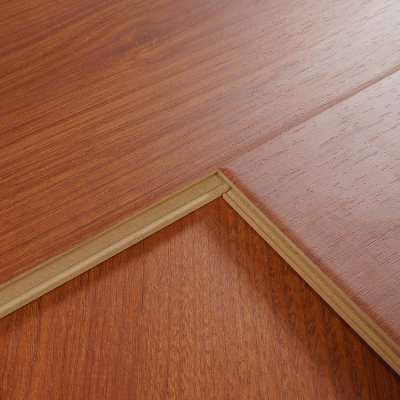
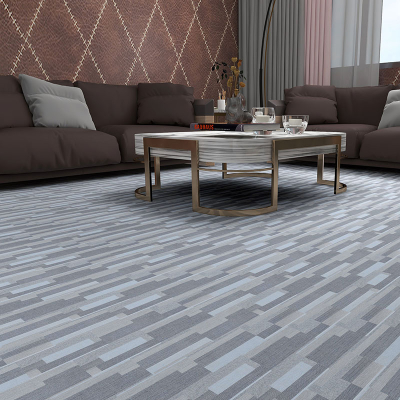
Carpet tile consists of modular squares of carpet with a backing system, typically installed with adhesive or as a peel-and-stick product. Vinyl plank (LVT) is a rigid or flexible plank made from PVC with a printed design layer and wear layer, installed as a floating floor with click-lock or glue-down methods. Both systems offer installation efficiency, design flexibility, and durability appropriate for office environments, but they perform differently across key metrics.
The essential distinction is that carpet tile provides superior acoustic absorption and comfort underfoot, while vinyl plank offers better durability, moisture resistance, and easier cleaning. The selection must be based on office type, traffic levels, acoustic requirements, maintenance capabilities, and budget constraints.
Manufacturing Process and Performance Characteristics
The production methods for carpet tile and vinyl plank determine performance characteristics, durability, and maintenance requirements. Understanding manufacturing processes allows selection based on measurable properties.
Carpet Tile Production
Carpet tile is manufactured by tufting or weaving fibers into a primary backing, then applying a secondary backing (PVC, polyurethane, or bitumen) for dimensional stability. The modular format (typically 500×500 mm or 600×600 mm) allows targeted replacement of damaged tiles. The fiber type (nylon, wool, or PET) affects durability and appearance retention.
Vinyl Plank Production
Vinyl plank is manufactured through calendering or extrusion of PVC, limestone, plasticizers, and stabilizers. The wear layer (0.3-0.7 mm) provides abrasion resistance. Digital printing technology allows realistic wood, stone, and abstract designs. The click-lock or glue-down installation provides a durable, waterproof surface.
Technical Specifications for Office Applications
Performance Comparison
| Parameter | Carpet Tile | Vinyl Plank (LVT) |
|---|---|---|
| Acoustic absorption (NRC) | 0.40-0.65 | 0.05-0.15 |
| Impact noise (IIC) | 55-65 dB | 45-55 dB |
| Durability | Moderate (8-12 years) | Good (10-15 years) |
| Moisture resistance | Poor | Excellent |
| Maintenance cost ($/m²/yr) | 1.50-2.50 | 0.30-0.50 |
| Installation cost ($/m²) | 8-12 | 10-15 |
| Material cost ($/m²) | 25-50 | 30-60 |
Acoustic Performance
| Office Type | Recommended Material | Acoustic Consideration |
|---|---|---|
| Open plan | Carpet tile | Sound absorption |
| Private offices | Carpet tile or vinyl plank | Impact noise control |
| Meeting rooms | Carpet tile | Speech privacy |
| Reception | Vinyl plank or carpet | Design flexibility |
Advantages in Real Projects
Carpet Tile Advantages
Carpet tile provides superior acoustic absorption (NRC 0.40-0.65), reducing noise in open plan offices. Carpet tile is comfortable underfoot and reduces fatigue. Carpet tile allows targeted replacement of damaged tiles. Carpet tile provides warmth and visual comfort.
Vinyl Plank Advantages
Vinyl plank provides excellent moisture resistance for entryways and break rooms. Vinyl plank is easy to clean with simple sweeping and damp mopping. Vinyl plank offers realistic wood, stone, and abstract designs. Vinyl plank provides excellent durability in high-traffic areas.
Performance Comparison by Office Area
| Area | Best Choice | Rationale |
|---|---|---|
| Open plan | Carpet tile | Acoustic absorption |
| Private offices | Both | Preference-based |
| Meeting rooms | Carpet tile | Acoustic comfort |
| Reception | Vinyl plank or carpet | Design flexibility |
| Break rooms | Vinyl plank | Moisture resistance |
| Corridors | Vinyl plank | Durability |
Carpet Tile vs Vinyl Plank Office vs Other Systems
Cost Comparison (10-Year Horizon, 100 m²)
| Material | Initial Cost | Maintenance (10 yrs) | Replacement | Total 10-Year |
|---|---|---|---|---|
| Carpet tile | $3,300-6,200 | $1,500-2,500 | $0-3,300 | $4,800-12,000 |
| Vinyl plank | $4,000-7,500 | $300-500 | $0 | $4,300-8,000 |
Maintenance Comparison
| Activity | Carpet Tile | Vinyl Plank |
|---|---|---|
| Daily | Vacuuming | Sweeping |
| Weekly | Spot cleaning | Damp mopping |
| Periodic | Extraction cleaning | Burnishing |
| Deep cleaning | Annual | As needed |
Application Scenarios
Open Plan Offices
Carpet tile is preferred for open plan offices due to acoustic absorption. The NRC of 0.40-0.65 reduces background noise and improves speech privacy. Carpet tile also provides comfort underfoot for employees who stand or walk frequently.
Private Offices
Both carpet tile and vinyl plank are suitable for private offices. Carpet tile provides acoustic comfort and warmth. Vinyl plank provides a modern, clean appearance. The choice depends on the design aesthetic and budget.
Meeting and Conference Rooms
Carpet tile is preferred for meeting rooms due to acoustic performance. The sound absorption improves speech clarity and reduces echo. Carpet tile also provides comfort for meetings of extended duration.
Reception Areas
Vinyl plank provides a polished, professional appearance for reception areas. The design versatility allows brand identity expression. Carpet tile may be used in reception areas for warmth and comfort.
Break Rooms and Pantries
Vinyl plank is preferred for break rooms due to moisture resistance. The waterproof surface withstands spills and cleaning. Carpet tile is not recommended for areas with moisture exposure.
Installation Guide
Substrate Preparation
Both systems require smooth, dry, and level substrates. Carpet tile is more forgiving of minor irregularities due to the backing system. Vinyl plank requires tighter substrate tolerances (3 mm over 2 m).
Installation Method
Carpet tile is installed with adhesive or as a peel-and-stick product. Vinyl plank is installed with click-lock or glue-down methods. Click-lock vinyl plank is faster to install and allows immediate occupancy.
Common Installation Mistakes
Inadequate substrate preparation leads to telegraphing in vinyl plank. Carpet tile requires proper adhesive coverage and seam alignment. Moisture testing is essential for both materials.
Common Problems & Solutions
Acoustic Issues
The challenge: Open plan offices with vinyl plank may have excessive echo. The solution is adding acoustic underlayment or specifying carpet tile. Acoustic ceiling tiles and wall panels can also improve acoustic performance.
Staining and Spills
The challenge: Carpet tile can stain from spills. The solution is selecting solution-dyed nylon for superior stain resistance. Immediate spill response is essential. Vinyl plank is stain-resistant.
Wear and Traffic Patterns
The challenge: High-traffic areas show wear on carpet tile. The solution is modular carpet tile for targeted replacement. Vinyl plank provides superior wear resistance.
Maintenance Costs
The challenge: Carpet tile maintenance costs are higher than vinyl plank. The solution is implementing an effective cleaning program. Vinyl plank requires less frequent maintenance.
FAQ
Which is better for office: carpet tile or vinyl plank?
The choice depends on the office type and requirements. Carpet tile is better for acoustic performance and comfort. Vinyl plank is better for durability, moisture resistance, and ease of cleaning. Open plan offices benefit from carpet tile; break rooms and entryways benefit from vinyl plank.
Is carpet tile cheaper than vinyl plank?
Carpet tile material costs are similar to vinyl plank. Carpet tile costs $25-50/m²; vinyl plank costs $30-60/m². Installation costs are comparable. Maintenance costs are higher for carpet tile.
What lasts longer: carpet tile or vinyl plank?
Vinyl plank typically lasts longer than carpet tile in office environments. Vinyl plank lasts 10-15 years; carpet tile lasts 8-12 years. High-traffic areas may require earlier replacement of carpet tile.
Does carpet tile absorb sound better than vinyl plank?
Yes, carpet tile provides superior acoustic absorption with NRC of 0.40-0.65. Vinyl plank has NRC of 0.05-0.15. Carpet tile is preferred for open plan offices where acoustic performance is critical.
**Is vinyl plank easier to maintain than carpet tile?
Yes, vinyl plank is easier to maintain than carpet tile. Vinyl plank requires only sweeping and damp mopping. Carpet tile requires vacuuming, spot cleaning, and periodic extraction cleaning. Maintenance costs are higher for carpet tile.
**Can carpet tile be installed over vinyl plank?
Carpet tile can be installed over existing vinyl plank with proper substrate preparation. The existing floor must be clean, smooth, and structurally sound. This can save demolition costs in renovation projects.
**What is the best flooring for open plan offices?
Carpet tile is the best flooring for open plan offices due to acoustic absorption, comfort, and modular replacement capability. Carpet tile reduces background noise and improves speech privacy. Vinyl plank with acoustic underlayment is an alternative.
**How long does carpet tile last in an office?
Carpet tile typically lasts 8-12 years in office environments with proper maintenance. High-traffic areas may require aisle tile replacement after 5-7 years. The lifespan depends on traffic levels, fiber type, and maintenance practices.
Industry Standards and Certifications
ASTM Standards
ASTM E492 provides impact sound transmission testing. ASTM C1028 provides slip resistance testing. ASTM D5199 provides thickness measurement.
EN Standards
EN 14041 provides product standards. EN ISO 10874 provides use class classification. EN 1307 provides carpet classification.
Building Codes
IBC requirements for commercial buildings include acoustic performance and fire safety. Accessibility requirements include slip resistance.
What These Standards Mean for Procurement
ASTM/EN standards ensure product performance. Building codes ensure compliance. For procurement, require ASTM/EN compliance, acoustic performance documentation, and building code compliance.
Conclusion
The selection between carpet tile and vinyl plank for office applications is determined by three engineering criteria: acoustic performance requirements (open plan vs private offices), durability and maintenance (traffic levels, cleaning capabilities), and design requirements (aesthetic preferences, brand identity). Carpet tile provides superior acoustic performance and comfort; vinyl plank provides durability and ease of maintenance.
Carpet tile is recommended for open plan offices, meeting rooms, and areas where acoustic performance is critical. Vinyl plank is recommended for reception areas, break rooms, entryways, and areas where moisture exposure is likely. Hybrid solutions may be appropriate for different zones within the office.
The risk priority order for office flooring includes acoustic issues (open plan), staining and spills, wear patterns, and maintenance costs. Cost versus performance trade-off favors carpet tile for acoustic performance; vinyl plank for durability and ease of maintenance.
For office environments optimizing employee productivity, comfort, and operational efficiency, carpet tile with documented acoustic performance and vinyl plank with appropriate durability provide the optimal balance of performance and value for commercial workspaces.